The Canadian Council of Ministers of the Environment met in the city of Yellowknife today as part of a conference engaging with a range of issues including air quality, and the relationship between contaminated sites, climate change and Reconciliation. At the closing of the gathering, the ministers announced that due to the “growing impacts” of wildfires and climate change, a new national Air Quality Standard has been set.
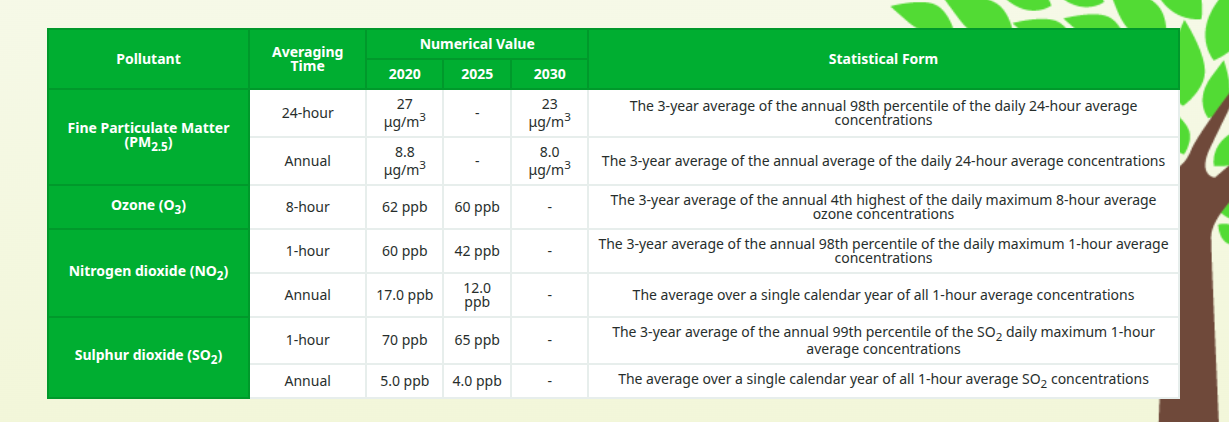
The updated Canadian Ambient Air Quality Standards (CAAQS) for ozone, nitrogen dioxide and sulphur dioxide have been decreased. The lower measures set a tighter threshold under which management actions in response would become more rigorous.
The CAAQs for fine particulate matter are scheduled to decrease in 2030 with the national maximum standard to go from 27 μg micrograms per cubic meter of air to 23 μg micrograms per cubic meter (when measured within a 24-hour period).
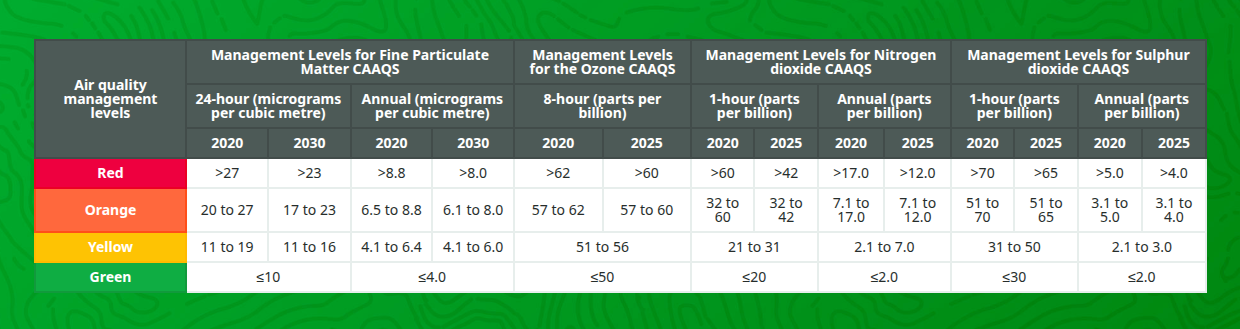
Levels outlined within the air quality guidelines are determined by the amount of a pollutant within an air zone and provide recommended air quality management actions.
To take effect in 2030, the new measure of 23 μg micrograms per cubic meter of air (measured within a 24-hour period) as a maximum, sets a tighter threshold under which management actions in response would become more strict.
The environment ministers are supporting actions that will continue to improve air quality in Canada.
The CAAQS are considered a key element of the Air Quality Management System1 aimed at improving air quality.
The CAAQS for fine particulate matter were developed by federal, provincial, and territorial governments collaboratively with representatives from health non-governmental organizations, Indigenous organizations, environment organizations and also industry.
The Honourable Jay Macdonald, Minister of Environment and Climate Change, who is Council president, said leadership and council from across the country agreed on the new national air quality standards following extended discussions and studies of how current environmental issues are affecting the health of communities across the country.
“Over the past year CCME Advanced work on air quality, climate change adaptation, plastic waste reduction and environmental monitoring,” said Minister Macdonald.
Health issues related to air quality have become the leading environmental cause of premature death in Canada, something that leadership at the conference have been trying to address on the ground through policy changes.
“Ministers endorsed new air quality standards for fine, particulate matter and (which is the) leading environmental cause of premature deaths in Canada. These new standards will help all jurisdictions better protect communities from the growing health impacts of air quality,” said Macdonald.
“Clean air is essential to our well-being. While air quality in the Northwest Territories is generally very good, we all share responsibility for clean air. The new air quality standards will contribute to healthy people and communities, as well as resilient ecosystems and a sustainable economy for the future,” added Macdonald.
With climate change new challenges are presenting, which are increasing wildfire risk and affecting all regions of the country. Minister MacDonald stressed the role of Indigenous leadership and knowledges and sciences in confronting the complex issues of climate change.
“Strong science-based national standards, help ensure we’re prepared for these challenges and support long-term health and resilience. We have had meaningful discussions with Indigenous governments and Indigenous organisations before the main meeting. Their leadership and experience are essential in managing contaminated sites and preparing for climate impacts, especially in remote and vulnerable areas,” he emphasized.
The council has been working to strengthen collaboration with Indigenous governments and Indigenous organisations across the country to in an effort to find ways to mitigate the threats of climate change, said Minister MacDonald.
The last time the national air quality standards were changed was about five years ago in 2020.
The ministers emphasized wildfires as among the major contributors to air pollution, adversely affecting the health of people across the country as fires increase in frequency, length and severity. 2023’s Wildfire season was particularly devastating to the territories and to communities across the country, leaving unprecedented marks on natural ecosystems on land and within the water and air.
Ministers acknowledged the tremendous struggles faced by communities impacted by wildfires and climate change.