A land-based initiative called Take a Kid Trapping is empowering youth by giving them a chance to engage with the lands and waters of the territory, a field of opportunity where they can connect with communities and heal.
“Trapping, fishing and other land-based learning practices become a life skill, a link back to traditions and connections, making youth more familiar with what’s going on around them in their community,” said Nathan Kogiak.
Kogiak is a Traditional Economy Coordinator at Sustainable Livelihoods and Traditional Knowledge at GNWT’s Environment and Climate Change.
Kogiak spoke with True North FM recently about work running out of a program called Take a Kid Trapping. The initiative helps youth learn to connect with the land and traditional practices, developing critical life skills.
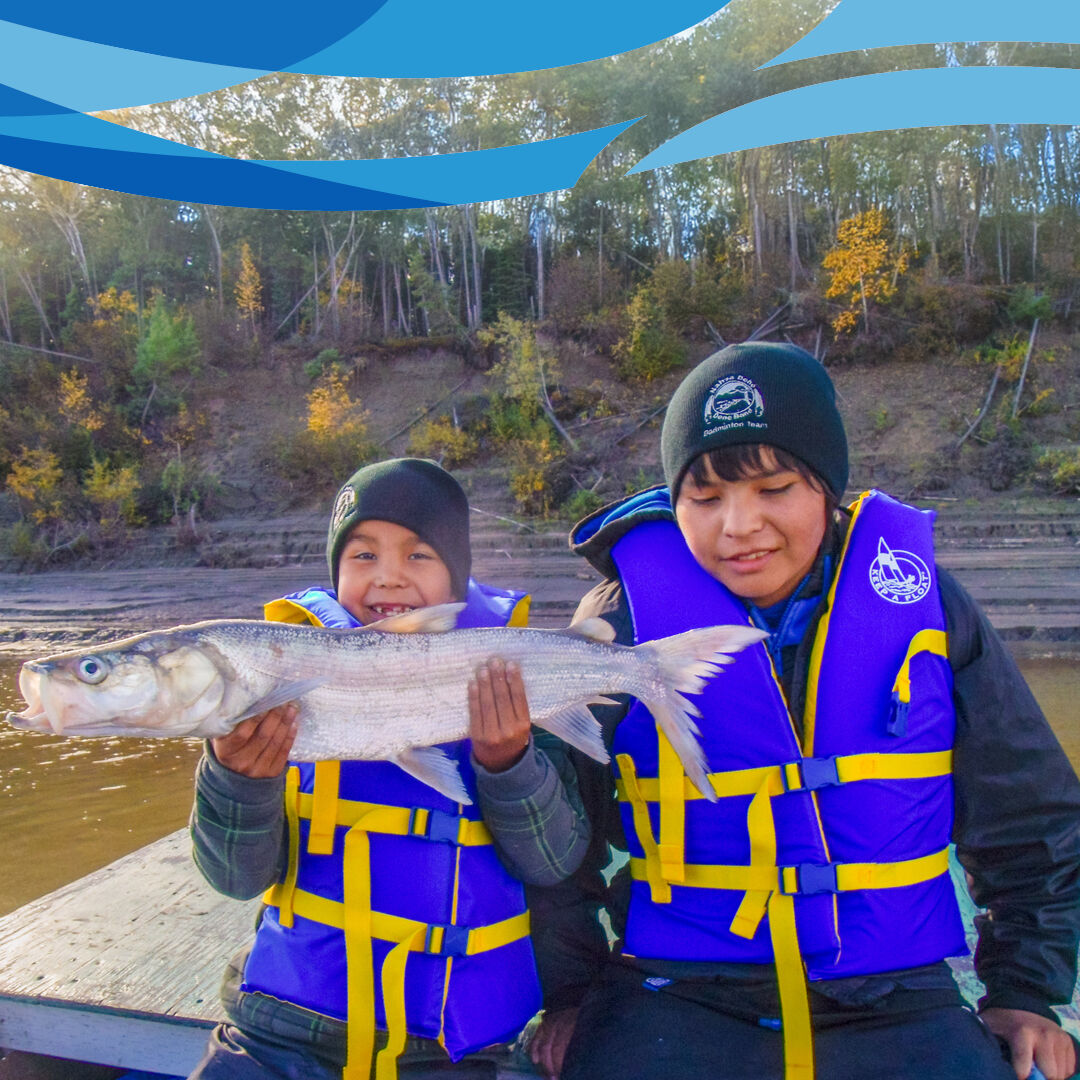
Through connecting with the land and connecting with traditional practices, kids learn a range of valuable skills from trapping, setting fish nets, hunting, or cooking outdoors to essential firearm safety skills and methods of preparing pelts for market. These practices help preserve traditional life skills and also teach sustainability strategies.
“The school or Indigenous organization has instructors such as trappers who have hands-on experience studying traps, snares and fishnets. The school contacts these guys to run these programs and the students participate in setting up fishnets and snares, prepare the catches for meals and fur to sell at auction,” said Kogiak.
“So they also learn land navigation and survival tactics. Last year at the school in Délı̨nę, they prepared moose hyde from start to finish. They’re learning lots of on-the-land skills so they can use that as they get older,” he added.
Across the territories, there are distinctive hunting and fishing activities connected to the unique features of the lands and waters of each region.
“The Beaufort Delta is probably our biggest region for trapping, but every school in the territory has access to the same amount of funding roughly eight thousand dollars to put on and to host these programs,” explained Kogiak.
Kogiak said that it’s important that youth experience the land.
“It’s a great program that we run to ensure that kids get to go on the land and experience these things. So they get to learn about other cultures, learn about their own culture, their own ancestry,” said Kogiak
The application process is done through the school or Indigenous government or business, or Indigenous organization, who have put together their own on-the-land programming that they want to put on for their students or beneficiaries and then we review that application.
Kogiak said that when a school applies to a program, they’re encouraged to leverage funds from other agencies to increase community involvement and program depth.
Kogiak explained that trapping, fishing and other land-based learning practices become a life skill, a link back to traditions and connections, making youth more familiar with what’s going on around them in their community.
“A lot of these smaller communities, they’re more reliant on the traditional economy, more trapping woodying, fishing by setting nets, beading (is happening), these are all traditional activities that are really important in smaller communities, where the wage economy isn’t as prevalent like in the larger communities in the N.W.T.”
The activities that are run out of the programs offer youth a chance to keep engaging with traditional practices.
“It’s a great way for kids to get more accustomed to these traditional practices. So, if they’re interested, they can partake in these all throughout their schooling from grade one to grade 12, and then, after that, once they’re 18 and they’re still interested, they can apply on the mentorship program that we have as well,” said Kogiak.
The program functions like a stepping stone to helping youth to get more out on the land.
“I’ve trapped for a long time. I’m always out in the land and it’s one of the best things you can have for your mental health and your health overall,” explained Kogiak.
The programs are helping to bring a deeper awareness to youth and to the broader Community about climate change and its impacts.
“I’ve been trapping for a while. I get to see the same places year after year and I notice these differences so it’s a great resource to have to teach youth about how how climate change is affecting us and how we’re making adjustments to deal with that,” he said.
Kogiak says the program helps youth to adapt and to build confidence.
“Because there’s nothing we can do about it right now, but adjust to it. So taking these kids out to show them how we do things and teaching these skill sets so if they ever want to go through it themselves, then they have more confidence going out there,” explained Kogiak.
Last year, they had additional projects approved past their original quota because the proposals were so impressive.
“The applications were done so well and we felt as a department that we should probably fund more of these to get these kids out on the land. So we can have that traditional knowledge passed down, these life skills, talk about conservation and the best practices and preparation of pelts for market, it gives them hands-on experience, setting these traps, snares and fishnets. It’s through these schools, Indigenous organizations, and these instructors that are helping youths a lot in gaining these life skills.”
Kogiak explained that last year 48 programs were approved. The GNWT recently announced that applications for Take a Kid Trapping funding are now open.
GNWT is providing funding to help education districts, Indigenous governments and Indigenous organizations get more kids out on the land.
The Department of Environment and Climate Change said successful applicants can receive up to $8,000 and will have a year to create an on-the-land learning experience for school-aged kids, from age 6 to 20.
Kogiak explained that Education districts, Indigenous governments, and Indigenous organizations are eligible to apply for funding for specific projects. The deadline to apply is October 31.
Funding is available for small tools and related equipment used to store, process and preserve foods from community hunts or harvests.
Successful applicants can receive up to $8,000 and have a year to create an on-the-land learning experience for school-aged kids, from age 6 to 20.
Anyone who would like program details and information can visit the application page through the Department of Environment and Climate Change’s website