



100.1 GO FM - We're Your Feel Good Pop Station

Premier Simpson Speaks on Emergency Preparedness at Northern Premiers Forum

The Premiers of Canada’s three northern territories have just concluded the 2024 Northern Premiers’ Forum.

The Forum is an annual meeting between the three leaders where they discuss and collaborate on the shared interests and priorities of the Northwest Territories, the Yukon, and Nunavut. This year’s Forum was held in Nunavut and was hosted by Premier P.J. Akeeagok. In attendance was Yukon Premier Ranj Pillai, and NWT Premier R.J. Simpson.

The Forum ran from May 6th to the 9th. The Premiers discussed topics relating to Arctic security and sovereignty, infrastructure gaps, the health and prosperity of communities, and of course, emergency management.

When asked what lessons were learned collectively by the three territories during last year’s wildfires, the mic was turned to Premier Simpson.

“There were certainly plenty of lessons learned from last year’s wildfire season. Climate change has really changed the landscape, and so what we saw happen in the natural world last year was something that a lot of people did not expect. A lot of people with significant experience fighting fires had never seen anything like that.

“So, the biggest thing that we learned was that what we used to know no longer hold true, necessarily, and we need to look critically at the environment and be prepared to work in a new way and in this new world. We have concluded an after-action review for the fire fighting response, and we are about to begin an after-action review of the GNWT response and recovery, and that work is going to be critical to redesigning our system going forward.

“In the meantime, though, I can assure you that a lot of the issues that happened last year, we’ve taken steps to make sure that they don’t happen again.”

Premier Simpson recalled his own experience in being evacuated from Hay River, and the amount of disorganization he saw. He stated that when he took office as Premier, he made it a personal goal of his that he would not allow that level of pandemonium to happen again, and that should the Territory need to evacuate again, that coordination efforts would be properly put in place.

The NWT has also been working with Nunavut and the Yukon on coordination efforts to assist each other should similar emergencies occur in any of the three territories.

“I talk about emergency preparedness and wildfires and floods probably more than people would like, but that is probably because it is so important to us, and so I did raise that with my colleagues and had those discussions. I know that they are alive to it as well. They have their own concerns as well, and so we are prepared to provide any assistance that we can.”
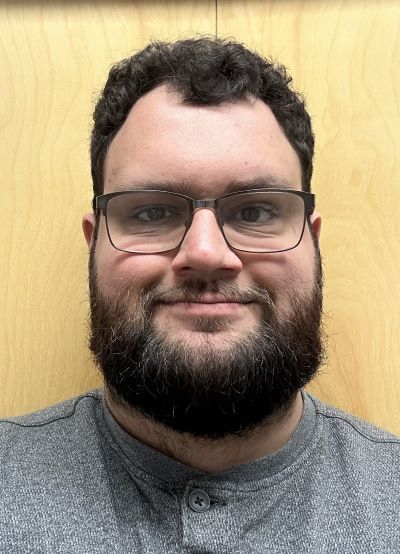

Connor Pitre
Connor Pitre
Born and raised in Central Alberta, Connor Pitre attended the Western Academy Broadcasting College in Saskatchewan, before making his way to the NWT in November of 2021. Since then, he has become a regular staple of the True North FM crew in the News department, and occasionally filling in on the afternoon show.

Continue Reading

You may also like


cjcd Now playing play

- Advertisement -

Related Articles

- Advertisement -

Latest News

Alternatives North suspects regulatory capture in ITI

Alternatives North believe they have uncovered evidence of the ‘regulatory capture’ of the GNWT Department of Industry Trade and Investment (ITI) by the mining industry, specifically regarding the regulatory policies surrounding the Mineral Resources Act. 

Relentless Indigenous Woman talks languages, “literally” changing world

Dr. Candace Manitopyes, aka The Relentless Indigenous Woman, is working with Elders and Language Keepers in the North and across Turtle Island on relaunching an Indigenous languages program. Dr. Manitopyes says there is an urgency to support Indigenous language learning, especially for Northern First Nations communities, where culturally responsive community rooted resources are even more scarce.

New generation of Indigenous languages speakers celebrated in the NWT

“The language is who we are. Language is our Elders. Language is what makes us who we are,” said Paul Andrew, who emceed a special gathering in Yellowknife that included mentors and apprentice Indigenous language learners, their families, organizers and community leaders. This year’s cohort engaged in learned the languages of Gwich’in, Tłı̨chǫ, Inuvialuktun, Inuinnaqtun, Inuktitut,Dene Kede, Dene Zhatıé, Nêhiyawêwin, Dëne Sųłıné and Wı̀ılı̀ıdeh. 

NWT services to be made accessible in Indigenous languages, says GNWT

The territorial government will soon begin offering all services in each of the 11 official languages including the nine Indigenous languages of Dinjii Zhu Ginjik (Gwich’in), ᐃᓄᒃᑎᑐᑦ (Inuktitut), Inuvialuktun, Inuinnaqtun, Dene Kǝdǝ́/ Sahtúot'ı̨nę Yatı̨ (North Slavey), Dene Zhatıé (South Slavey), Tłı̨chǫ, Dëne Sųłıné (Chipewyan) and Nëhiyawëwin (Cree). Previously, the services had been available in English and French only.

Support and funding for “Language Cafes” to launch this spring

The NWT Literacy Council has started a new funding program to help support Indigenous language revitalization. Kathryn Barry Paddock, Executive Director of the NWT Literacy Council made the announcement that the organization is promoting more funding and the creation of more accessible spaces for Indigenous language through "Language Cafe" events.


