Indigenous governments across the NWT will soon be receiving a combined total of $15 million from the Canadian Government, to assist with the recovery from last year’s wildfires.
The fires that struck the NWT in the summer of 2023 were some of the most destructive in Canadian history. Yellowknife, Hay River, and many different towns had to be mostly or fully evacuated, and many people ended up losing their homes and businesses.
During the fires, Indigenous governments did their best to step up and provide aid to their communities, and the Government of Canada wants to make sure that resources will be available in the event of any future disasters.
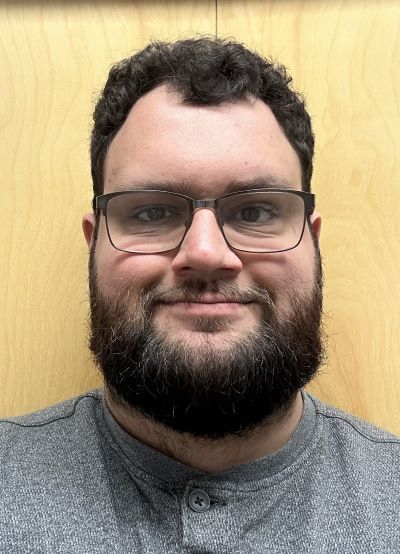
On Tuesday, March 26th, MP for the Northwest Territories, Michael McLeod, announced the donation from the Federal Government, which is intended to reimburse those communities for the costs they incurred in supporting their members.
MP McLeod stated that “When our communities were evacuated this summer, we really saw everyone banding together to help get people out safely. Now we want to make sure that Indigenous partners aren’t negatively impacted as a result of providing culturally-appropriate supports during those challenging times. This funding will help ensure they can continue to operate and provide for their communities and membership as they build back better.”
The money is being broken down and spread among 11 Indigenous governments and organizations, each receiving up to a maximum of $100,000.
- Inuvialuit Regional Corporation – $36,647.00
- The Tłegǫ́hłı̨ Got’įnę Government – $90,000.00
- Fort Norman Métis – $50,660.00
- Pedzeh Ki First Nation – $99,920.00
- Nahanni Butte First Nation – $100,000.00
- Deh Gah Gotie Dene Council – $100,000.00
- Sambaa K’e First Nation – $100,000.00
- Deninu Kue First Nation – $99,068.00
- Acho Dene Koe First Nation – $100,000.00
- Hay River and Area Métis Local 51 – $100,000.00
- Hay River Métis Council – $98,137.00
Additional money is being sent to certain communities based on their specific needs, as identified by the organizations.
- Fort Good Hope First Nation – $1,527,062.00
- Délı̨nę Got’ı̨nę Government – $1,229,518.00
- Tłı̨chǫ Government – $5,317,330.00
- Dehcho First Nations – $181,400.00
- Jean Marie River First Nation – $233,433.00
- West Point First Nation – $285,220.00
- Yellowknives Dene First Nation – $1,046,552.00
- Łutselk’e Dene First Nation – $548,380.00
- Salt River First Nation – $1,364,483.00
- Northwest Territory Métis Nation – $384,691.00
- Fort Smith Métis Local – $274,890.00
- North Slave Métis Alliance – $259,127.00
- Yamoga Land Corporation – $160,945.00
- Dene Nation – $101,950.00
- Gwich’in Tribal Council – $283,000.00
- Tulita Dene Band – $827,587.00
In their own statement, the Government of Canada stated that the country recognizes that Indigenous governments and organizations know best how to serve their communities.