


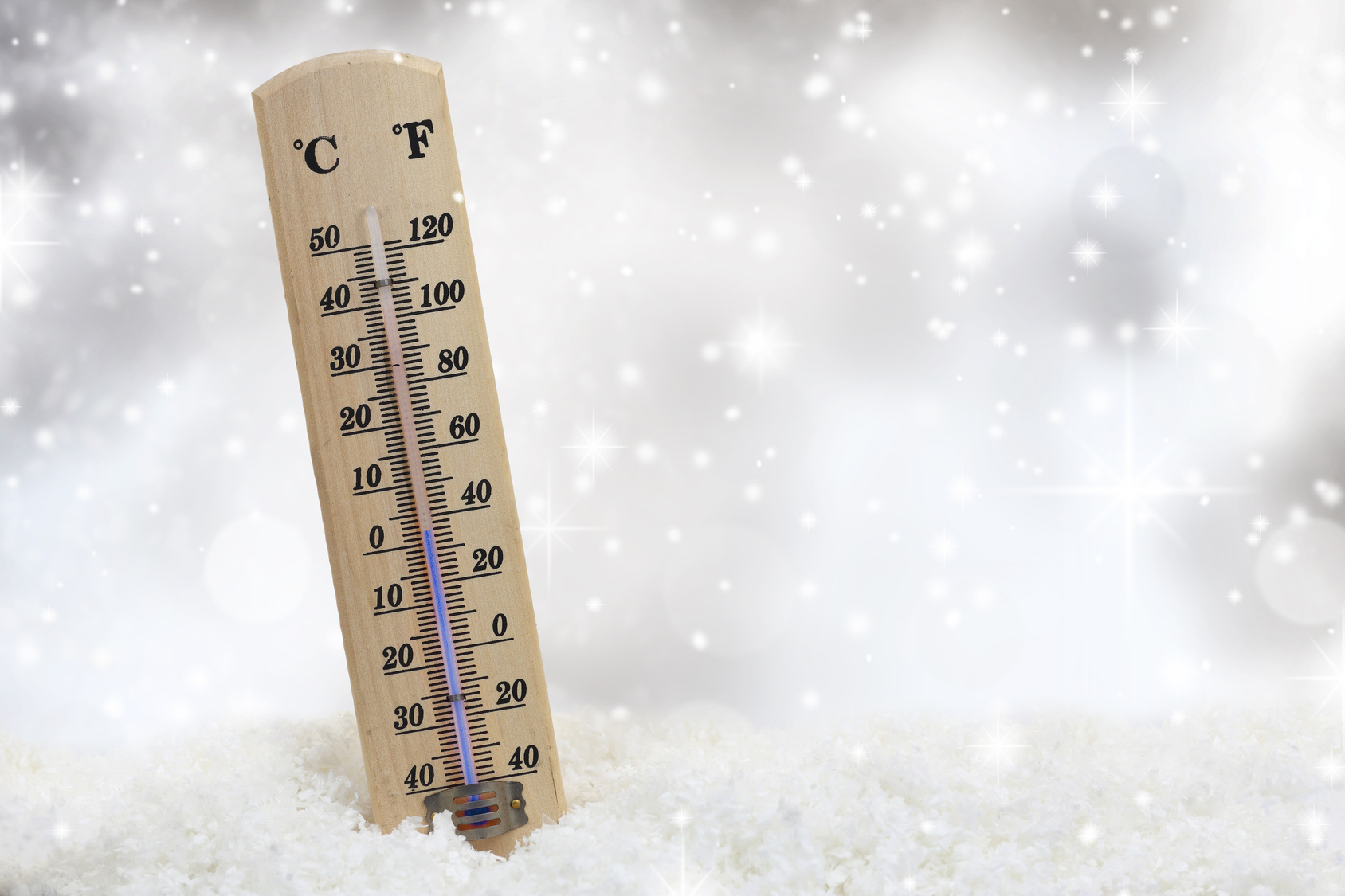

Seasonal Health Advice for Winter

Now that the seasonal weather has fully changed, it will likely become more common for people to come down with minor sicknesses.

Good health habits like avoiding people who are sick, covering your cough and washing your hands often can help stop the spread of germs and prevent respiratory illnesses like flu.

Avoid close contact with people who are sick. When you are sick, keep your distance from others to protect them from getting sick too. If possible, stay home from work, school, and errands when you are sick. This will help prevent spreading your illness to others.

Cover your mouth and nose with a tissue when coughing or sneezing. It may prevent those around you from getting sick. Flu viruses spread mainly by droplets made when people with flu cough, sneeze or talk. Washing your hands often will help protect you from germs. If soap and water are not available, use an alcohol-based hand rub.

Avoid touching your eyes, nose or mouth. Germs can be spread when a person touches something that is contaminated with germs and then touches his or her eyes, nose, or mouth. Clean and disinfect frequently touched surfaces at home, work or school, especially when someone is ill. Get plenty of sleep, be physically active, manage your stress, drink plenty of fluids, and eat nutritious food.


Connor Pitre
Connor Pitre
Born and raised in Central Alberta, Connor Pitre attended the Western Academy Broadcasting College in Saskatchewan, before making his way to the NWT in November of 2021. Since then, he has become a regular staple of the True North FM crew in the News department, and occasionally filling in on the afternoon show.

Continue Reading

You may also like


cjcd Now playing play

- Advertisement -

Related Articles

- Advertisement -

Latest News

New modular housing units arrive in BehchokÇ«̀€

Five new modular housing units have arrived in BehchokÇ«̀€ for onsite assembly, the final phase of construction before the homes are ready for occupants.

Ceremony draws call to action remembering lost lives of Northern workers

A ceremony in Yellowknife remembering those who lost their lives on the job drew calls to action in an ongoing struggle for stronger workers’ safety protections in the North and across the country. It’s been more than four decades since the first National Day of Mourning. And its been over one century since the first workers compensation act in Canada received its third reading. Statistics show that each year about 1,000 people across the country do not come home from work.

Red Dress March to be held next week

Yellowknife’s annual Red Dress March will be taking place next week on May 5 starting at 12:00 pm.

Yellowknife Community Foundation to deliver its biggest batch of scholarships

The Yellowknife Community Foundation has cracked the door wide open on its student awards scholarships fund. The foundation says its scholarship fund is delivering 45 scholarships, its greatest number of scholarships to date, to support students in trade professions and academics across the territory. N.W.T. students pursuing post-secondary studies or a trades education in any field are eligible for scholarships worth up to $9, 500, with a total of 45 scholarships are being offered.

N.W.T. holds among highest rates of workplace fatalities

N.W.T. holds among highest rates of workplace fatalities proportionate to worker populations. Researchers from the University of Regina said N.W.T. and Nunavut's worker mortality rate between 2019 to 2023 was highest in the country. The latest records show that for 2024, 11 people died due to a work related incident in the territories of the North. Scientists noted that because of N.W.T.’s small community populations, one or more early deaths had a much greater impact on mortality rates.


