
100.1 GO FM - We're Your Feel Good Pop Station

GNWT Reports on Wellbeing of NWT Residents After Pandemic

The Government of the Northwest Territories (GNWT) has released its latest Social Indicators COVID-19 Pandemic report. The report examines the social impacts of health measures taken to protect Northwest Territories (NWT) residents against COVID-19.

In May 2020, the Department of Health and Social Services put together a working group to examine whether public health measures during the pandemic were having unintended negative consequences on the well-being of residents. For example, it was anticipated that social isolation would create challenges in reporting concerns of suspected child/youth maltreatment.

Other key social indicators being monitored include mental health and addictions, alcohol-related harm, and family violence.

Highlights of the report’s findings include:

· August 2022 saw the lowest number of children/youth reported to be at risk of maltreatment, when compared to 2019-2021.

· The number of visits to community health centers related to anxiety and depression from August to October 2022 were similar to those in the same months in 2021.

· During the first half of 2022, the number of medical visits for alcohol related harms were lower than or similar to the same time period in 2021. However, this trend reversed from July to October 2022, with alcohol related medical visits being higher than the same months in 2021.

· During the pandemic there was a decrease in the number of admissions to family violence shelters. It was anticipated that admissions would return to pre-pandemic levels with the end of the Public Health Emergency in April, but this has not been the case.

This social indicator data provides valuable insight to help determine what actions need to be taken by the Health and Social Services system. However, interpretation of the data needs to be carefully considered due to limitations, such as the NWT’s relatively small population, the short duration of the studies, and information misclassification.

Connor Pitre
Connor Pitre
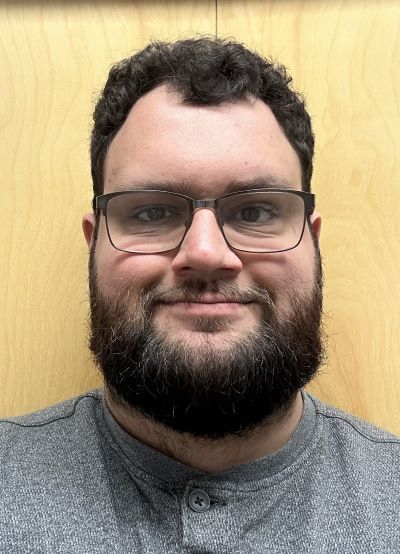
Born and raised in Central Alberta, Connor Pitre attended the Western Academy Broadcasting College in Saskatchewan, before making his way to the NWT in November of 2021. Since then, he has become a regular staple of the True North FM crew in the News department, and occasionally filling in on the afternoon show.

Continue Reading

You may also like


cjcd Now playing play

- Advertisement -

Related Articles

- Advertisement -

Latest News

Alternatives North suspects regulatory capture in ITI

Alternatives North believe they have uncovered evidence of the ‘regulatory capture’ of the GNWT Department of Industry Trade and Investment (ITI) by the mining industry, specifically regarding the regulatory policies surrounding the Mineral Resources Act. 

Relentless Indigenous Woman talks languages, “literally” changing world

Dr. Candace Manitopyes, aka The Relentless Indigenous Woman, is working with Elders and Language Keepers in the North and across Turtle Island on relaunching an Indigenous languages program. Dr. Manitopyes says there is an urgency to support Indigenous language learning, especially for Northern First Nations communities, where culturally responsive community rooted resources are even more scarce.

New generation of Indigenous languages speakers celebrated in the NWT

“The language is who we are. Language is our Elders. Language is what makes us who we are,” said Paul Andrew, who emceed a special gathering in Yellowknife that included mentors and apprentice Indigenous language learners, their families, organizers and community leaders. This year’s cohort engaged in learned the languages of Gwich’in, Tłı̨chǫ, Inuvialuktun, Inuinnaqtun, Inuktitut,Dene Kede, Dene Zhatıé, Nêhiyawêwin, Dëne Sųłıné and Wı̀ılı̀ıdeh. 

NWT services to be made accessible in Indigenous languages, says GNWT

The territorial government will soon begin offering all services in each of the 11 official languages including the nine Indigenous languages of Dinjii Zhu Ginjik (Gwich’in), ᐃᓄᒃᑎᑐᑦ (Inuktitut), Inuvialuktun, Inuinnaqtun, Dene Kǝdǝ́/ Sahtúot'ı̨nę Yatı̨ (North Slavey), Dene Zhatıé (South Slavey), Tłı̨chǫ, Dëne Sųłıné (Chipewyan) and Nëhiyawëwin (Cree). Previously, the services had been available in English and French only.

Support and funding for “Language Cafes” to launch this spring

The NWT Literacy Council has started a new funding program to help support Indigenous language revitalization. Kathryn Barry Paddock, Executive Director of the NWT Literacy Council made the announcement that the organization is promoting more funding and the creation of more accessible spaces for Indigenous language through "Language Cafe" events.