



Gahcho Kué Mine and GNWT Work to Restore Fish Habitats

The GNWT is partnering with Gahcho Kué Mine to build a bridge at the Redknife River crossing on the Mackenzie Highway that will restore fish passage for migratory species.

In this unique and mutually beneficial partnership, Gahcho Kué will contribute $9.5 million, with the GNWT pledging the balance of costs. For Gahcho Kué, the project is compensation for disturbance to fish habitat in Kennady Lake by construction of the mine. For the GNWT, the project is part of a larger initiative to improve stream and river highway crossings throughout the NWT’s highway system.

Highway 1 crosses the Redknife River approximately 181 kilometres southeast of Fort Simpson, and approximately 30 kilometres southeast of Sambaa Deh Territorial Park.

Currently, there are three structurally sound culverts installed underneath the highway that present a barrier obstructing migratory fish from being able to effectively access areas upstream on a seasonal basis. Contributing factors causing this disruption include erosion to the downstream side of the riverbed, along with fluctuations in water levels that are expected to continue as climate change causes more extreme weather events.

Planning for the project began in 2021, and construction is expected to get underway in the third quarter of 2023 and will take about three years to complete.

Connor Pitre
Connor Pitre
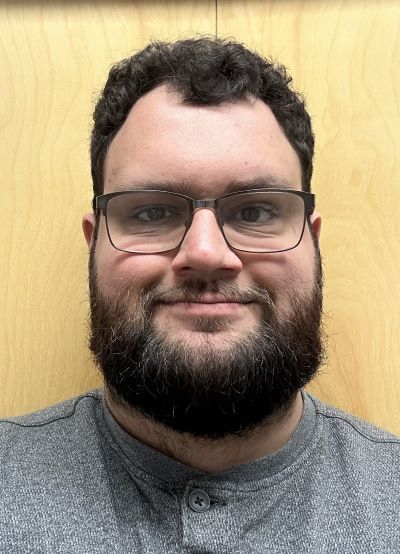
Born and raised in Central Alberta, Connor Pitre attended the Western Academy Broadcasting College in Saskatchewan, before making his way to the NWT in November of 2021. Since then, he has become a regular staple of the True North FM crew in the News department, and occasionally filling in on the afternoon show.

Continue Reading

You may also like


cjcd Now playing play

- Advertisement -

Related Articles

- Advertisement -

Latest News

Yellowknife’s Leah McShane shines bright as Loran 2026 Scholar

Leah McShane, a Yellowknife high school student, was just named a Loran Scholar for 2026, out of more than 5,400 applicants across the country. The student from École Sir John Franklin High School made it through four selection rounds to receive the award. “With a little bit of work you can do anything you set your mind to,” said McShane, who hopes she can inspire more youth to follow their dreams.

Indigenous languages pilot program to launch at NWT Legislative Assembly

A new pilot program will connect fluent Indigenous languages speakers to interpreter roles at the N.W.T Legislative  Assembly. The pilot program will run from May 2026 to March 2027, with one applicant selected for each of the N.W.T.’s official Indigenous languages: Dene Kǝdǝ́ (North Slavey), Dëne Sųłıné (Chipewyan), Dene Zhatıé (South Slavey), Dinjii Zhuʼ Ginjik (Gwich’in), Inuinnaqtun, Inuktitut, Inuvialuktun andTłı̨chǫ.

GNWT reminds residents not to dump trash on public land

The Government of the Northwest Territories is reminding residents that dumping garbage, appliances, or construction materials on public land is harmful to the environment and to wildlife and is illegal under territorial legislation.  

GNWT says another school shows elevated lead in some water fixtures

A school in Behchokǫ̀ is the latest to receive test results showing elevated levels of lead in some water fixtures. So far, 28 tested school results have been announced to date, 23 have tested positive for elevated levels of lead in some of their drinking water fixtures. Robin Ferguson, Acting Assistant Deputy Minister at the Department of Infrastructure has said the GNWT plans to test more public buildings once school testing is completed.

Climate plan draws from NWT Traditional Knowledge and meteorological data

Hay River, the Hay River Metis Nation, Kátł'odeeche and West Point First Nation are working on a climate action plan that combines local and Traditional knowledge and statistical data alongside meteorological records and forecasts.


