
The future of Yellowknife’s temporary day shelter is set to be reviewed.
The shelter was established at the old Mine Resources building to cover for a drop in capacity at the existing day shelter.
When discussions were first happening, the tentative timeline for the day shelter was that it would be needed until the end of May, according to Jay Boast, a spokesperson for Municipal and Community Affairs (MACA).
Since the shelter was established in November via declaration of a Public Emergency, it has been kept open by extending that declaration. Housing Minister Paulie Chinna has extended the declaration using the powers in the Emergency Management Act every two weeks. The current extension runs until April 8.
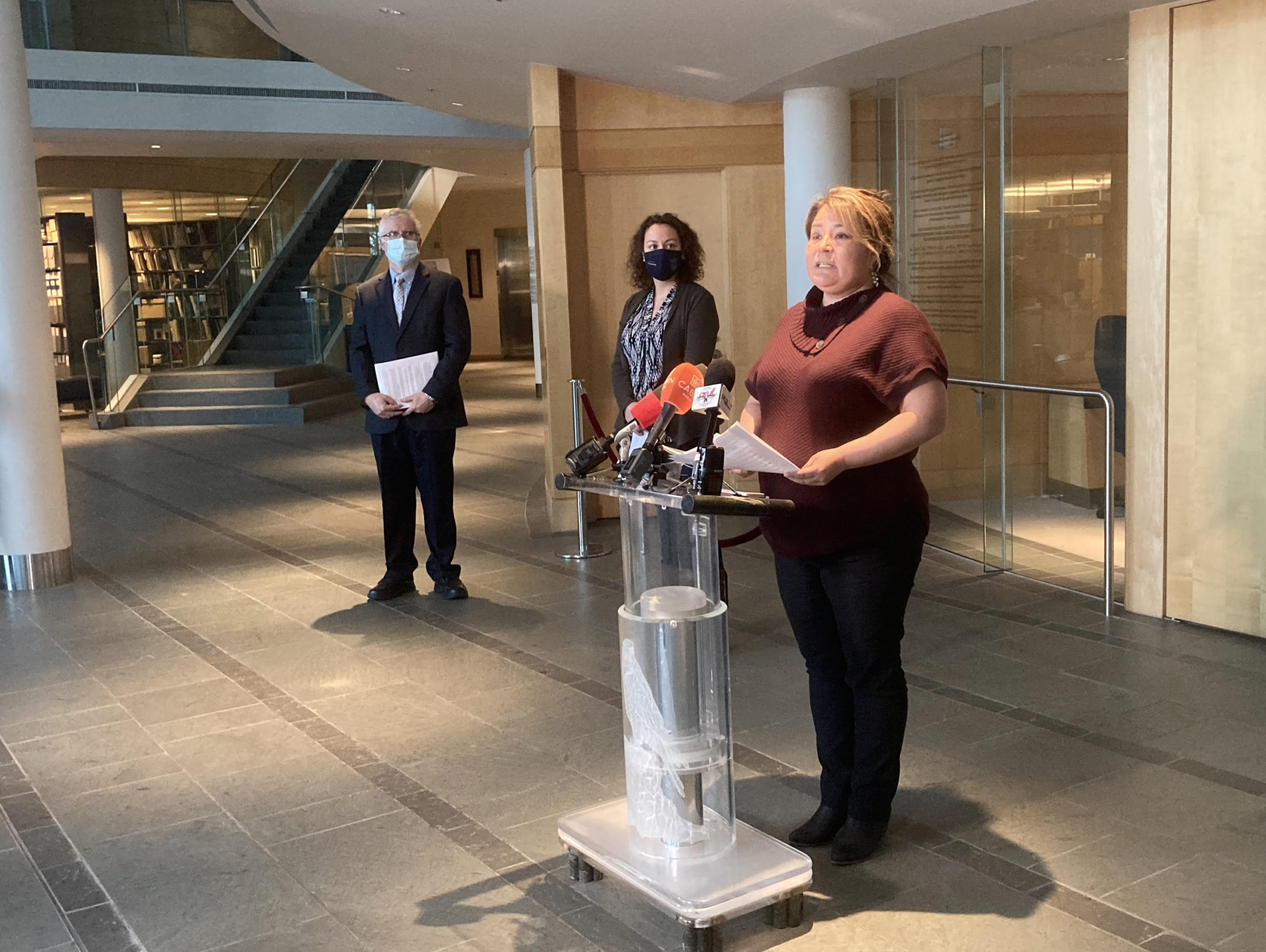
“MACA will be engaging with the appropriate parties in the near future to determine the longer term plan and whether the Emergency Management Act is the appropriate tool to manage the situation after that time,” MACA said in a statement.
David Maguire, a spokesperson from the Health and Social Services Authority, who are responsible for the temporary shelter, says there is no confirmed end date for the shelter.
“We are closely following the direction and orders of the Chief Public Health Officer and will reassess shelter capacity and need should there be any change to orders regarding capacity/gatherings inside,” he said in an email.
The temporary shelter was made necessary because of COVID-19 capacity restrictions imposed at the existing day shelter, in the same building as the sobering centre, run by the NWT Disabilities Council.
In a press release from when the temporary day shelter was announced, the GNWT said 40 people had been displaced by reducing the capacity at the existing sobering centre, run by the territory’s disabilities council.
The capacity at the Mine Resources building allows for 25 users at a time, plus five staff. Maguire says the shelter averages 72 unique visits per day.
“In general we can serve the needs of the clients as they don’t stay in the shelter all day, shelter users come and go and we are finding less periods of “at capacity” times as the weather warms,” he said.
The average monthly cost to operate the shelter — including operating costs, staff costs, and lease costs – is $153,000.