



100.1 GO FM - We're Your Feel Good Pop Station

Indigenous knowledge to be included in Species at Risk Assessments

Indigenous knowledge is set to be included in assessments in Species at Risk assessments in the NWT.

The assessments decide whether an animal species should be classed as “at risk”, which can help trigger protections to preserve animal populations.

Normally, Species at Risk assessments are made using data from biological surveys, which a statement from the committee says helps justify their decision about an animal’s status. A listing is normally for a term of 10 years.

But the new assessment method would recognize the “local, holistic, eco-centric and social-spiritual context of Indigenous knowledges.”

“Around the world, accepted standards for species at risk assessments are based strongly in western science,” Leon Andrew, the Chair of the Northwest Territories Species at Risk Committee said in a statement.
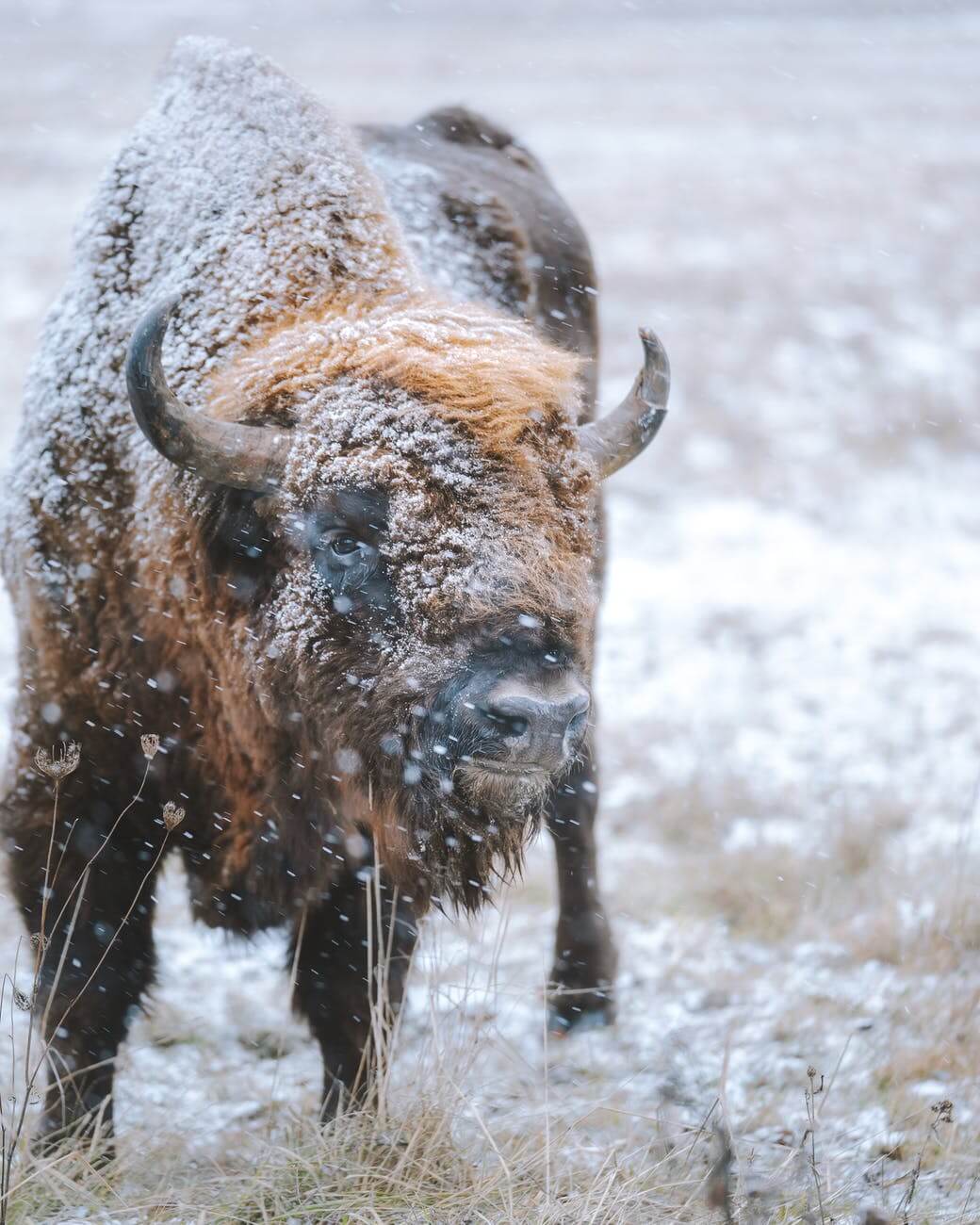
Wood bison are on the list of “species at risk” in the NWT. (Supplied by Pexels.)

“However, there is increasing acceptance that Indigenous and community knowledges are systems of knowing in their own right that do not need to fit within a model of, or be verified by, western science.”

The new method for assessing whether an animal is at risk will use two sets of criteria, with one based in Indigenous and community knowledge and scientific knowledge, respectively. 

The final species assessment can be supported by criteria from either, or both, knowledge systems, depending on the best available information.

Twelve species are currently deemed as at risk by the NWT Species at Risk Committee including the barren-ground caribou, wood bison, the little brown myotis (a medium sized bat) and the western toad. 

The statement says the committee assessment now “differs markedly” from the Committee on the Status of Endangered Wildlife in Canada’s and the International Union for the Conservation of Nature methods of assessing whether a species is at risk or not.

More than 47 species with populations in the NWT are listed as being at some level of concern by different agencies.

The new method will be rolled out and applied for the first time to the re-assessment of the polar bear in April.

The effectiveness of the new assessment criteria will be reviewed regularly by SARC. The Species at Risk (NWT) Act came into force in February 2010.


Bailey Moreton
Bailey Moreton
Bailey is new to the north, arriving from Ottawa where he studied journalism at Carleton University. He has worked for newspapers in Halifax, Windsor, and Ottawa. He came to the north hoping to see polar bears. He will settle for a bison. If you have a tip, send it to 905 252-9781, or [email protected].

Continue Reading

You may also like


cjcd Now playing play

- Advertisement -

Related Articles

- Advertisement -

Latest News

Nurses and health leaders calling for systemic healthcare reform in North

The Northern Territories Federation of Labour launched a campaign last week in Iqaluit and Yellowknife drawing attention to the health care crisis, characterized in the North by ongoing staffing shortages and a growing reliance on temporary contract workers. Sara-Jayne Dempster, president of the Northern Territories Federation of Labour, says that nursing students who graduate here are running into barriers finding jobs, which is contributing to the crisis in the North.

Christmas kettle drive helping 500 families this year

“We have assisted close to 500 families for Christmas this year and that includes 300 children for toys as well,” said Tony Brushett, executive director of the Salvation Army. It was just last week that Brushett said the Salvation Army Christmas kettle food drive was getting closer to their goal and today it only got better.

Drinking Water Advisory issued for the hamlet of Fort Liard

In an announcement issued today, GNWT’s Chief Environmental Health Officer Dr. Chirag Rohit reported that laboratory-based testing from the Hamlet of Fort Liard, reviewed by the Office of the Chief Public Health Officer, shows that the total THM levels in treated drinking water are above Health Canada’s guidelines.

The Dettah Ice Road has opened

The Dettah Ice Road was opened this morning to vehicles weighing a maximum of 5,000 kg. This is the second year in a row the ice road was opened in late December, in comparison to the 2022 to 2023 season. In contrast, looking eastward in Nunavut, conditions are warmer than usual with sea ice not fully formed as yet and talk of seal hunt traditions potentially being postponed as a result.

Police investigating string of break and enters in downtown YK

A 25-year-old is facing charges following multiple alleged break-ins at Mildred Hall. Yellowknife police reported that they are investigating this incident along with “several” area break and enters in the downtown area. Officers reported that the suspect was facing previous charges including for an alleged break in at the same school earlier this month.


