
Délı̨nę signs deal to share oversight of nearby mine clean-up

The Délı̨nę government has signed an agreement with the federal government over the cleanup of mines around Great Bear Lake.

The Great Bear Lake Remediation Project will involve the cleanup of several smaller-scale mines, which are all shut down.

The statement says this is the first step in ensuring Délı̨nę community members have a say in the cleanup process for the Great Bear Lake Remediation Project.

Part of the agreement will see the establishment of two committees, the Délı̨nę-Canada Remediation Management Committee and the Operations Committee. The committees will help ensure there are opportunities for Indigenous businesses to bid as part of the procurement process in the mine and training will be provided for community members so they can be hired as part of the cleanup process.

“The Agreement recognizes a government-to-government relationship between Délı̨nę Got’ı̨nę Government and Canada and commits us to working together to restore the long-damaged area to a state acceptable to Délı̨nę while ensuring that the project will leave significant social, economic and cultural benefits to our community,” Ekw’atide Leeroy Andre, community leader with the Délı̨nę Got’ı̨nę Government, said in a statement.
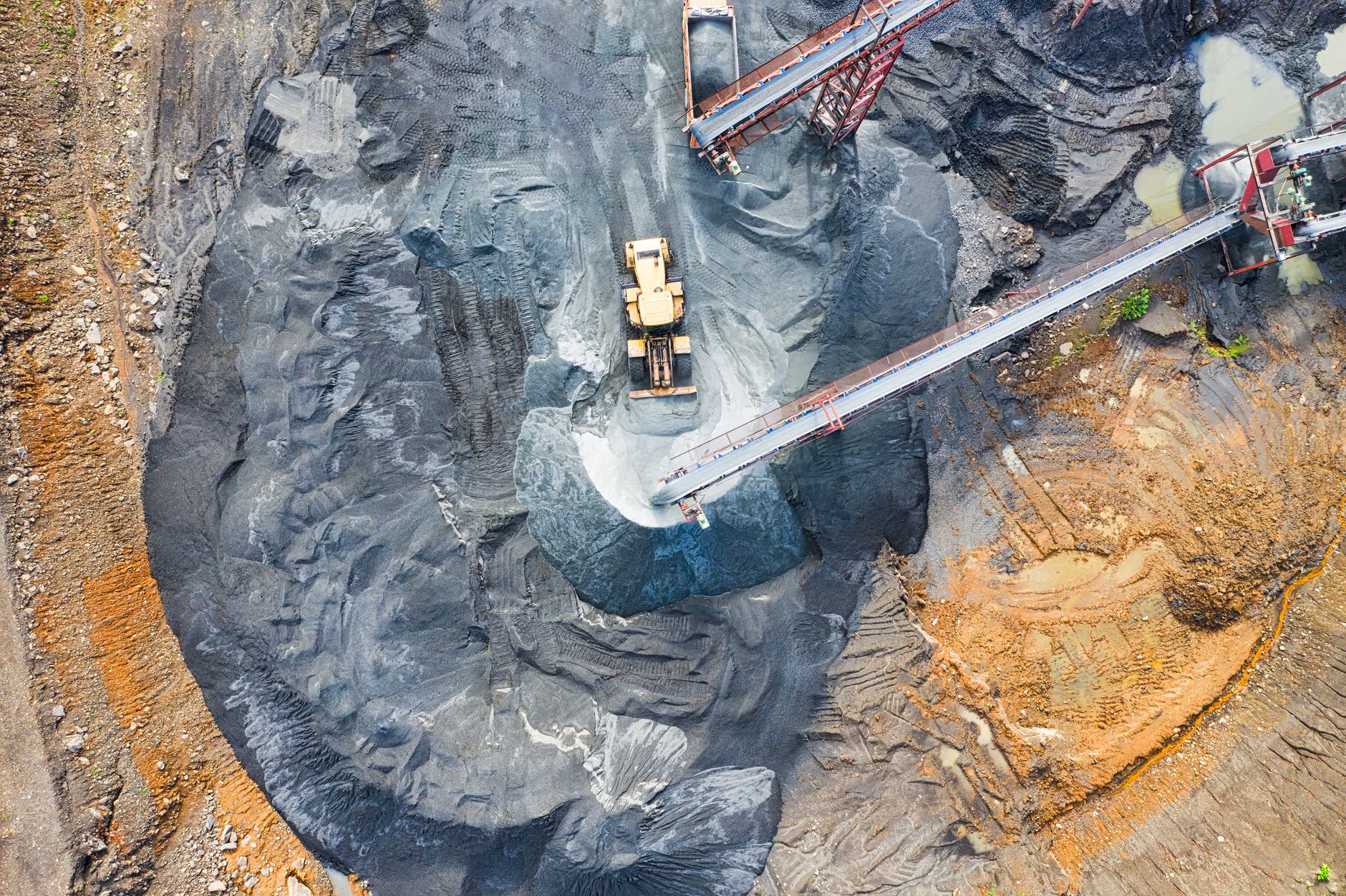
Work will start at the mine in March. (Supplied by Pexels.)

“The remediation project will be good for our community, for our people and, indeed, for all the people of Canada as we restore this magnificent site to preserve the integrity of the biosphere,” he added.

The sites include the Silver Bear Mines, which include the Terra, Northrim, Norex and Graham Vein, and Smallwood sites, as well as Contact Lake Mine, El Bonanza Mine, and Sawmill Bay. 

The sites are located on the east side of Great Bear Lake. These properties are approximately 250 kilometres east of Délı̨nę and within the Sahtu Dene and Metis Comprehensive Land Claim.

The money for the remediation comes from the Northern Abandoned Mine Reclamation Program. The federal government is spending $2.2 billion over 15 years for the remediation of the eight largest abandoned mine projects in the Yukon and the Northwest Territories.

The project team said they anticipate tendering for the remediation work in the 2021-2022 fiscal year, so “work can start soon after.” The remediation is expected to take five years to complete.


Bailey Moreton
Bailey Moreton
Bailey is new to the north, arriving from Ottawa where he studied journalism at Carleton University. He has worked for newspapers in Halifax, Windsor, and Ottawa. He came to the north hoping to see polar bears. He will settle for a bison. If you have a tip, send it to 905 252-9781, or [email protected].

Continue Reading

You may also like


cjcd Now playing play

- Advertisement -

Related Articles

- Advertisement -

Latest News

Crews continue to battle 12,000 ha Wood Buffalo fire amid rising temperatures

As crews continue to battle a wildfire that grew to more than 12,000 hectares in Wood Buffalo, Wildland officials are concerned about how rising temperatures, particularly in the Dehcho and South Slave regions could affect conditions. Over the weekend, the wildfire reportedly expanded from just under 300 hectares to about 12, 353 hectares in size.

Yellowknife City Council adopts new approach to encampments

Yellowknife City Council met today to discuss the city’s approach to encampments, as well as the proposed renaming of Franklin Ave. 

GNWT proposes changes to student funding and access to student files

The territory is looking to make changes to regulations about student financial assistance and is looking for public “feedback” on the proposed changes. The proposed amendments could help expand student access to financial benefits, while also expanding the GNWT’s ability to access student information.

Western premiers meet for 2026 conference

Premiers from across western Canada met earlier this week for the 2026 Western Premier’s Conference in Kananaskis, Alberta.  

Normal Wells school joins list of 35 schools in NWT with high lead

Another school in the N.W.T. shows elevated levels of lead in drinking water, with eight sites about 400 times above the maximum drinking water standards. A message from the GNWT issued this evening read that water samples from the Mackenzie Mountain School in Norman Wells showed elevated levels of lead and copper. Water samples from 18 of the 22 fixtures tested above the guidelines for lead. Nearly half of the outlets on site, 8 of 22 fixtures showed elevated levels of copper