
Délı̨nę signs deal to share oversight of nearby mine clean-up

The Délı̨nę government has signed an agreement with the federal government over the cleanup of mines around Great Bear Lake.

The Great Bear Lake Remediation Project will involve the cleanup of several smaller-scale mines, which are all shut down.

The statement says this is the first step in ensuring Délı̨nę community members have a say in the cleanup process for the Great Bear Lake Remediation Project.

Part of the agreement will see the establishment of two committees, the Délı̨nę-Canada Remediation Management Committee and the Operations Committee. The committees will help ensure there are opportunities for Indigenous businesses to bid as part of the procurement process in the mine and training will be provided for community members so they can be hired as part of the cleanup process.

“The Agreement recognizes a government-to-government relationship between Délı̨nę Got’ı̨nę Government and Canada and commits us to working together to restore the long-damaged area to a state acceptable to Délı̨nę while ensuring that the project will leave significant social, economic and cultural benefits to our community,” Ekw’atide Leeroy Andre, community leader with the Délı̨nę Got’ı̨nę Government, said in a statement.
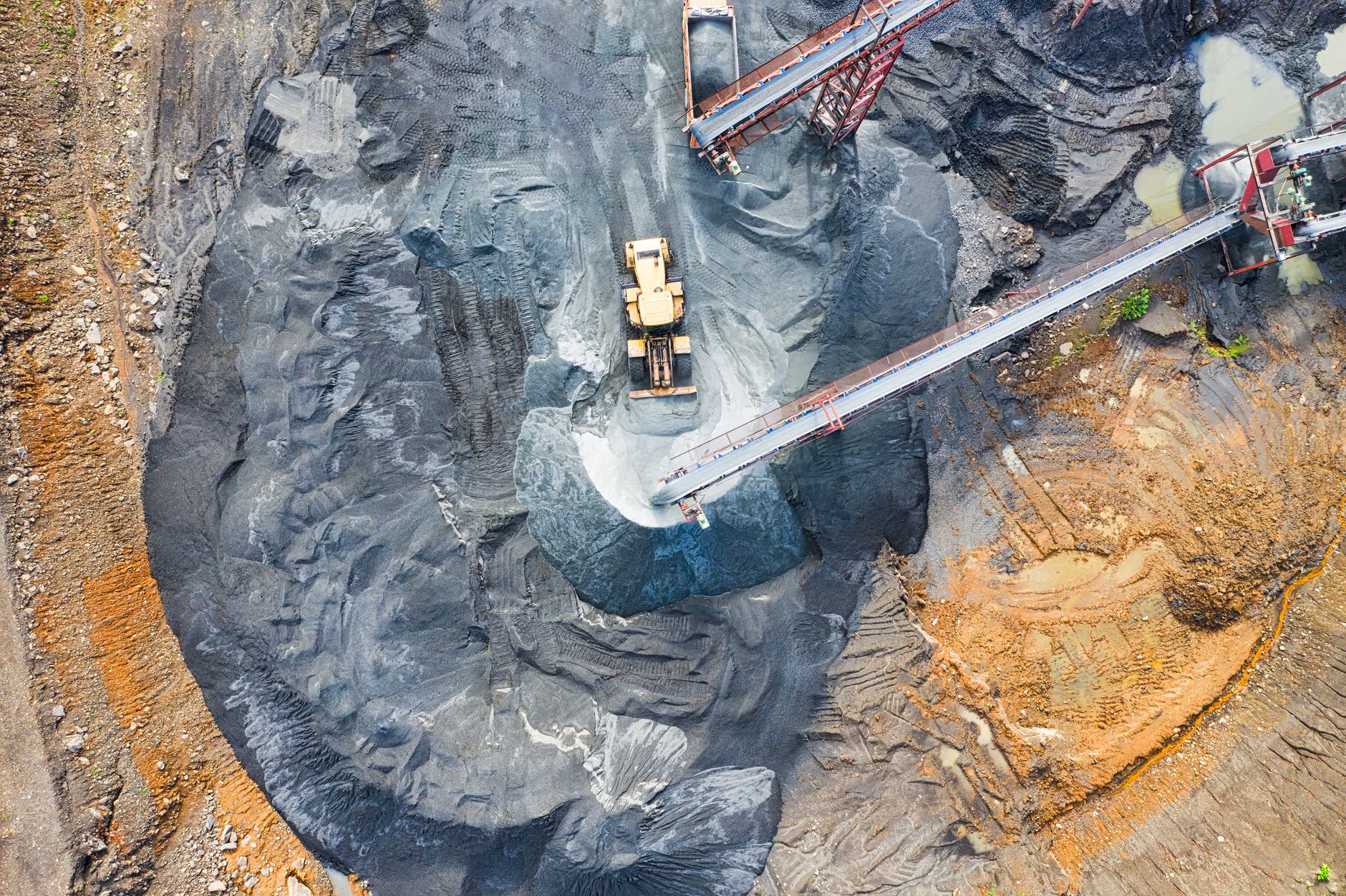
Work will start at the mine in March. (Supplied by Pexels.)

“The remediation project will be good for our community, for our people and, indeed, for all the people of Canada as we restore this magnificent site to preserve the integrity of the biosphere,” he added.

The sites include the Silver Bear Mines, which include the Terra, Northrim, Norex and Graham Vein, and Smallwood sites, as well as Contact Lake Mine, El Bonanza Mine, and Sawmill Bay. 

The sites are located on the east side of Great Bear Lake. These properties are approximately 250 kilometres east of Délı̨nę and within the Sahtu Dene and Metis Comprehensive Land Claim.

The money for the remediation comes from the Northern Abandoned Mine Reclamation Program. The federal government is spending $2.2 billion over 15 years for the remediation of the eight largest abandoned mine projects in the Yukon and the Northwest Territories.

The project team said they anticipate tendering for the remediation work in the 2021-2022 fiscal year, so “work can start soon after.” The remediation is expected to take five years to complete.


Bailey Moreton
Bailey Moreton
Bailey is new to the north, arriving from Ottawa where he studied journalism at Carleton University. He has worked for newspapers in Halifax, Windsor, and Ottawa. He came to the north hoping to see polar bears. He will settle for a bison. If you have a tip, send it to 905 252-9781, or [email protected].

Continue Reading

You may also like


cjcd Now playing play

- Advertisement -

Related Articles

- Advertisement -

Latest News

Tuktoyaktuk RCMP lay charges in bootleg liquor investigation

Tuktoyaktuk RCMP are laying charges following an investigation into liquor bootlegging earlier this week.

Youth engage with Tłı̨chǫ language in unconventional immersive spaces

While in-person On the Land learning continues to be central to Tłı̨chǫ language revitalization, the Tłı̨chǫ language division is looking at ways to engage with youth through new immersive platforms, like virtual spaces, that honour history and traditions. Danielle Dacanay with the Tłı̨chǫ Government’s Language Division emphasized that virtual resources are supplements to learning the language in the traditional way, they are not a replacement for it.

New microgrant stream wants youth to plant language seeds outside school

“100 youth projects wanted in French,” a new microgrant program wants youth to plant language learning seeds outside school. A network of action-research teams in Canada, other parts of North America, Africa and Europe is launching a youth grant stream to support French language engagement outside of conventional spaces. Youth across the country aged 14 to 30 are eligible for 100 microgrants in support of grassroots initiatives as part of this program run by the Dialogue Network.

Water testing at another Yellowknife school confirms elevated lead and copper

Testing at another school site in the city of Yellowknife showed elevated levels of lead and copper in water present in some of its drinking taps. Earlier this month, testing showed four other school buildings in Yellowknife and a school in Behchokǫ̀ had elevated levels of both copper and lead in water. Since comprehensive testing of schools across the territory began this fall, 28 school sites out of 34 announced to date have tested positive for elevated levels of lead.

Testing at more NWT buildings confirms lead in water

Fort Smith officials said water testing at municipal buildings has confirmed the presence of lead. According to the announcement, water samples at the Town Hall, the Fire Hall, and the Municipal Services Building continue to show elevated levels of lead.