
The GNWT released its annual report, assessing its progress towards its goals on climate change it laid out in the GNWT’s 2019-23 Action Plan.
According to the report, out of the 104 actions proposed in the action plan, 96 of these are on track, three are complete and five are not yet initiated.
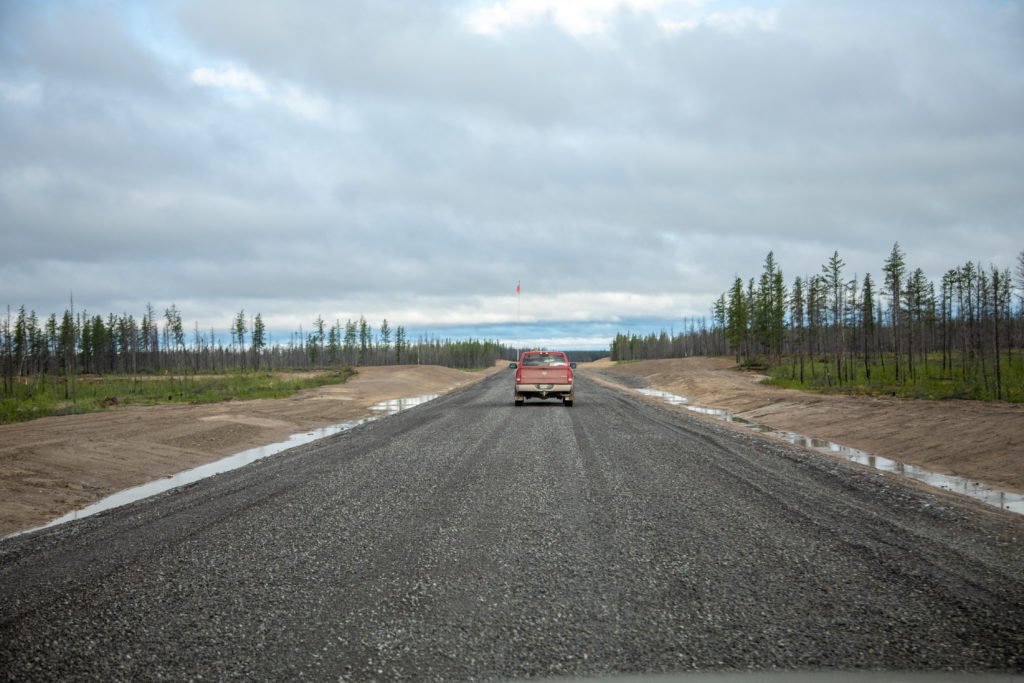
Construction of the Tłı̨chǫ Highway began in September 2019, and will allow year-round access to Whatì, preventing the community becoming isolated due to the impacts of COVID-19.
NWT’s greenhouse gas emissions dropped by 6 kilo tonnes of carbon dioxide emitted (kt CO2e), from 1,260 kt CO2e in 2018.
The figures are calculated by Environment and Climate Change Canada each year and published 16 months after the end of the calendar year. Additionally, the report only covers data to the end of March 2020, so the impact of the COVID-19 pandemic is largely unknown — a number of jurisdictions in southern Canada had seen a decline in greenhouse gas emissions because of the pandemic, with less vehicle traffic.
Future projects will allow the GNWT to be more ambitious in future years, according to the report. So far the GNWT has spent $25 million on improving energy efficiency and other clean energy projects.
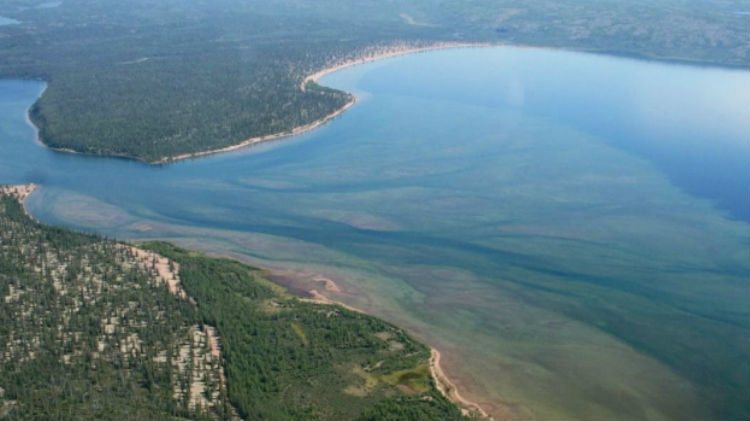
Two protected areas, Thaidene Nëné and Ts’udé Nilįné Tuyeta Territorial Protected Areas, have been formally established under the Protected Areas Act, established in August 2019
Much of the research funding went to improving the GNWT’s monitoring of climate data and research into climate change issues in the territory. A number of partners were involved in this work, including the federal government and Indigenous governments.
Some of these projects were impacted by travel restrictions due to COVID-19.
“Certainly there were impacts on the climate change work that we do just because of border closure and changes to research plans and changes to what folks are doing,” said Julian Kanigan, director of Environmental Stewardship and Climate Change ith the Department of Environment and Natural Resources.
COVID-19 also caused delays to the establishment of a climate change council, which would allow for greater involvement of Indigenous governments. But the first meeting of the territorial climate change council will be on January 18, according to Kanigan.
“Indigenous governments, organizations, community governments, nongovernmental organizations and NWT residents all have a role to play,” said Kanigan. “The collective wisdom of our partners will help guide our territory’s response to climate change.”
The GNWT is also seeking the establishment of another two councils. A national council, focused on weather and climate monitoring was proposed by the GNWT to the federal government. The territorial government also proposed a northern services climate hub, along with Yukon and Nunavut.
GNWT officials couldn’t say what impact the territorial carbon tax, which was implemented at the beginning of September 2019, has had so far.
The tax charges $20 per tonne of greenhouse gas emissions for the various types of fuel. The rates will increase annually until 2022 when it will reach $50 per tonne.
“There are some individuals or families who have benefited from the carbon tax and they will have more disposable income than they’re paying out,” Kelly Bluck, the director of fiscal policy with the Department of Finance. “It’s on an individual basis so I couldn’t make any kind of blanket statements.”
“The GNWT has designed a made-in-the-North approach to carbon pricing that minimizes the financial impact on NWT residents and businesses while still ensuring our territory is doing its part to fulfill our national commitments and address climate change,” Caroline Wawzonek, Minister of Finance said in a statement.