
People who choose to travel for discretionary reasons will no longer have their isolation paid for, the GNWT announced.
Discretionary travel includes travelling to visit family, for leisure and shopping. Previously, leisure travelers had been able to stay in isolation centres in one of the GNWT’s four isolation hubs, and have their isolation paid for.
Travel for medical reasons, isolation because of being exposed to COVID-19 and compassionate travel to visit a sick or dying family member will still be covered by the territory.
These changes will come into effect on January 5. Anyone who arrived in the Northwest Territories before January 5 can isolate in the isolation centres, and still have their entire isolation period paid for. That means people travelling for discretionary reasons could be in the self-isolation centres up until January 18.
January 5 was chosen as the date to implement the change because most people would have returned from their Christmas travel by then, Premier Caroline Cochrane said in a press conference on Tuesday.
But Cochrane, health minister Julie Green and Chief Public Health Officer Dr. Kami Kandola all reiterated non-essential travel over the holiday period is strongly discouraged because of the high risk of exposure to COVID-19.
“We know despite strongly discouraging any non-essential travel out of the territory, we will still see a spike in the coming weeks,” said Kandola.
These changes come after the GNWT released a feedback report, finding the majority of people from businesses, Indigenous governments and municipalities were in favour of cutting costs for the COVID-19 secretariats by not paying for non-essential travel.
Running these self-isolation centres takes up 54 per cent of the territory’s budget for the COVID-19 Secretariat, a new government department tasked with coordinating the GNWT’s response to the pandemic.
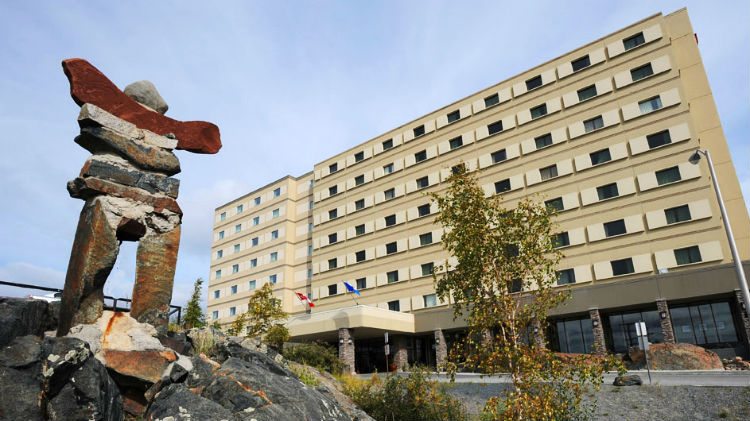
The territorial government has established isolation centres in the hub communities, and been covering the costs of booking out rooms in hotels in the four communities, like the Chateau Nova and the Explorer Hotel in Yellowknife.
Cochrane said the government could not be sure how much money will be saved through these measures, but did say a substantial amount of the costs for the isolation centres were stemming from paying for the isolation of travellers travelling for discretionary reasons.
People who do travel for discretionary reasons will be responsible for making their own arrangements when it comes to isolating.
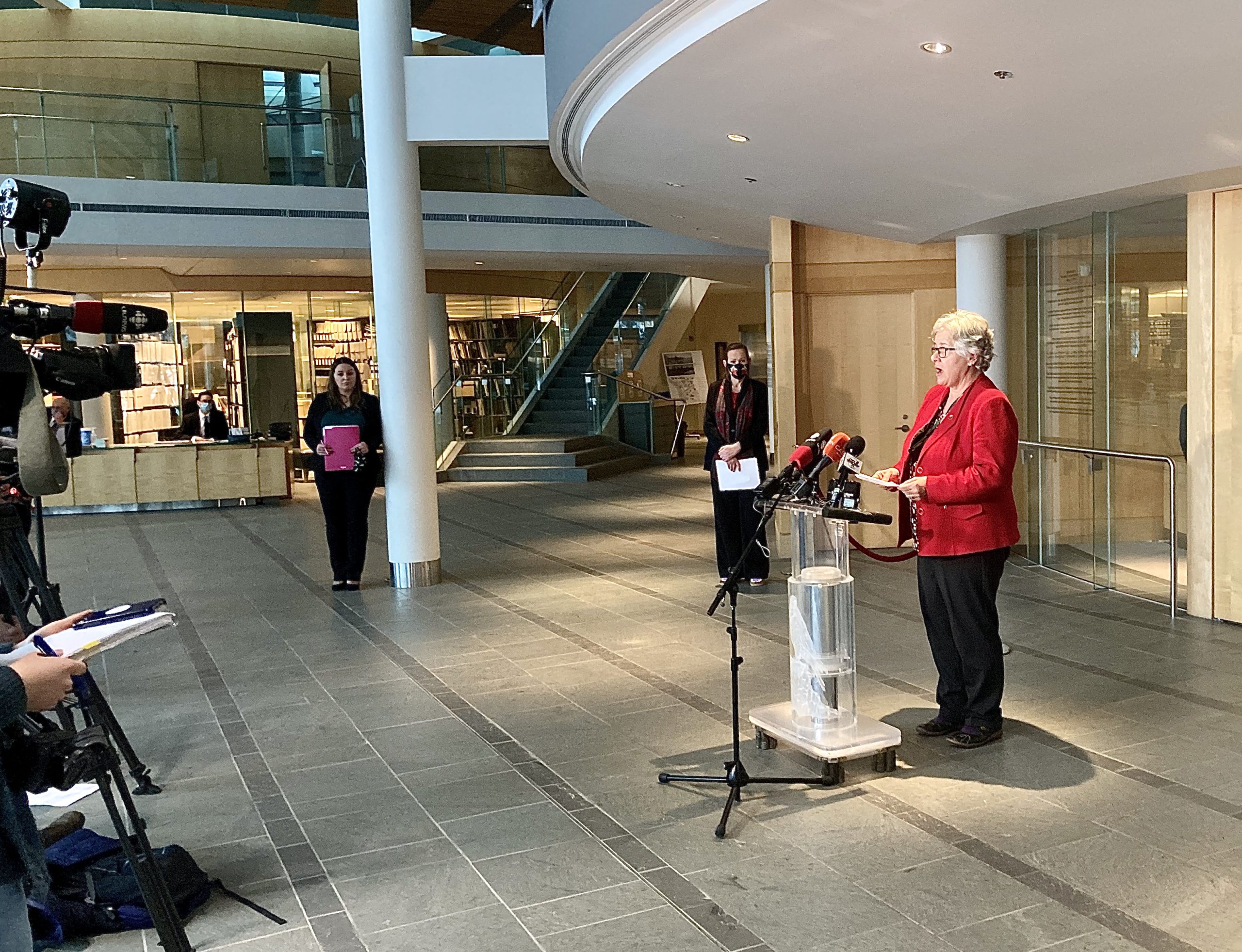
“Right now we’re renting out hotels, that’s where our isolation centers are and the hotels are not only people in isolation,” said Cochrane. “I’m assuming that people would be able to use those services just as well.”
Cochrane added if people are having difficulty finding somewhere to isolate themselves, they can reach out to the GNWT and they will provide a list of options for people to self-isolate.
This could mean expensive stays away from home for people from outside the four hub communities who travel for discretionary reasons. Prior to the announcement, people from smaller communities had to be isolated in one of the four hub communities.
However, people who are from Yellowknife, Hay River, Inuvik or Fort Smith could travel outside the territory and isolate at home.
It is not clear how people from smaller communities will be impacted, and if they’ll be allowed to make arrangements to isolate themselves at home, rather than in one of the hub communities.
“We’re trying to make the measures as equitable as possible,” said Cochrane. “These measures are about saving lives, about doing what’s right for people.”
Enforcement also ramping up
Reports of partying at isolation centres have also caused the GNWT to tighten up their enforcement at self-isolation centres, according to Cochrane.
Breaking physical distancing guidelines could result in a fine of $1,725 if warnings are ignored. Cochrane also called on residents to step up and speak up if they see people not following COVID-19 guidelines.
“Our enforcement is there to try to make people abide by the orders,” said Cochrane. “But we don’t have enough enforcement officers that we can put one person on every single resident.”
“If you see people that are breaking new orders, or that you suspect, please call 8-1-1 or Protect NWT,” added Cochrane. “We may not get back to you and tell you that we’ve charged someone, but I can assure you that every single call is being investigated.”
The GNWT also issued a written amendment, reaffirming the closure of the Nunavut travel bubble. All travellers from Nunavut must follow the same process as travellers from the rest of the country.