
The GNWT has extended its wage top-up that brings the minimum wage up to $18 an hour until February 28.
This increase, from the territory’s minimum wage of $13.46, was introduced April 1, back when the COVID-19 pandemic had just begun. This is the second time it has been extended.
Businesses have to apply for the temporary funding and are responsible for delivering the program for employees over the age of 15.
As of July 21, 50 businesses had signed up for the program with 933 workers receiving an average top-up of $237 per month. To date, the program has cost a total of $422,245, the territory said.
Money for the program comes from a $4.74-million federal assistance fund to help low-wage workers and boost the territory’s economy during the pandemic.
The extension means the territory’s minimum wage workers will have been living with a minimum wage of $18 for the best part of year.
Kevin O’Reilly, the MLA for Frame Lake, said he’d like the government to permanently increase the territorial minimum wage to $18 per year.
“The wage top-up program really is a clear sign that our minimum wage is way too low,” he said. “We have also got evidence about a living wage, conducted by an NGO, that says it needs to be a lot higher.”
A report produced by Alternatives North, a social justice coalition, found that for the minimum wage to count as a living wage — where basic expenses are covered by one source of employment without need for a second form of employment — for a family of four, it would need to be $23.95 in Yellowknife. In Hay River, the living wage is even higher, at $24.75.
Rylund Johnson, MLA for Yellowknife North, asked whether the government would consider implementing a training wage — which would pay a lower wage to those who were in training for a new job — to allow for a higher overall minimum wage.
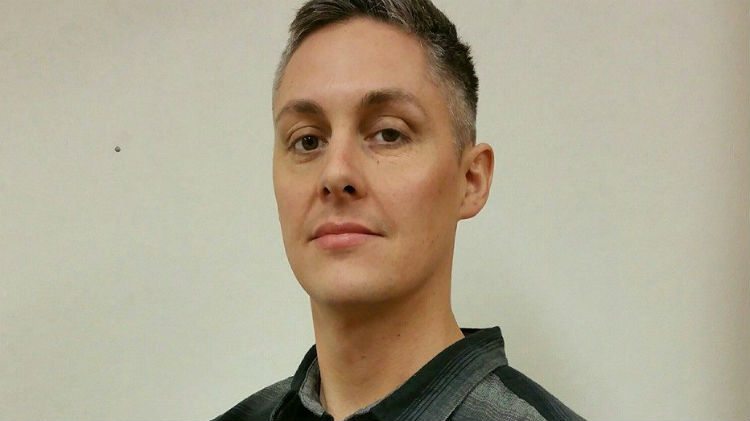
“People are living in poverty if they earn our minimum wage. The market has moved well beyond this,” said Johnson. “You cannot hire someone in this territory, a full-time adult, and pay them $13.46. We have simply made our minimum wage irrelevant.”
New Zealand has a training wage which is lower than the minimum wage, which is currently at $18.90 an hour.
But R.J Simpson, Minister of Education, Culture and Employment ruled this out, saying it’s not just younger or first-time workers who are training for jobs and he also wouldn’t want to discriminate based on age.
A minimum wage committee, including representatives from various industries, non-governmental organizations and the GNWT produces a report and makes recommendations about any potential changes.
A report on the impact of COVID-19 on the minimum wage would be produced “hopefully next week” said Simpson.
But in response to Johnson’s questions, Simpson said there was “no path” currently to raising minimum wage to the liveable wage. Simpson added small businesses would have to change significantly if the minimum wage was raised to that level.