100.1 GO FM - We're Your Feel Good Pop Station

Harbour Air and magniX Announce Successful Flight of World’s First Commercial Electric Airplane

The inaugural flight is the first step in becoming the world’s first all-electric commercial fleet.

Harbour Air, North America’s largest seaplane airline and magniX, the company powering the electric aviation revolution, yesterday announced the successful flight of the world’s first all-electric commercial aircraft.
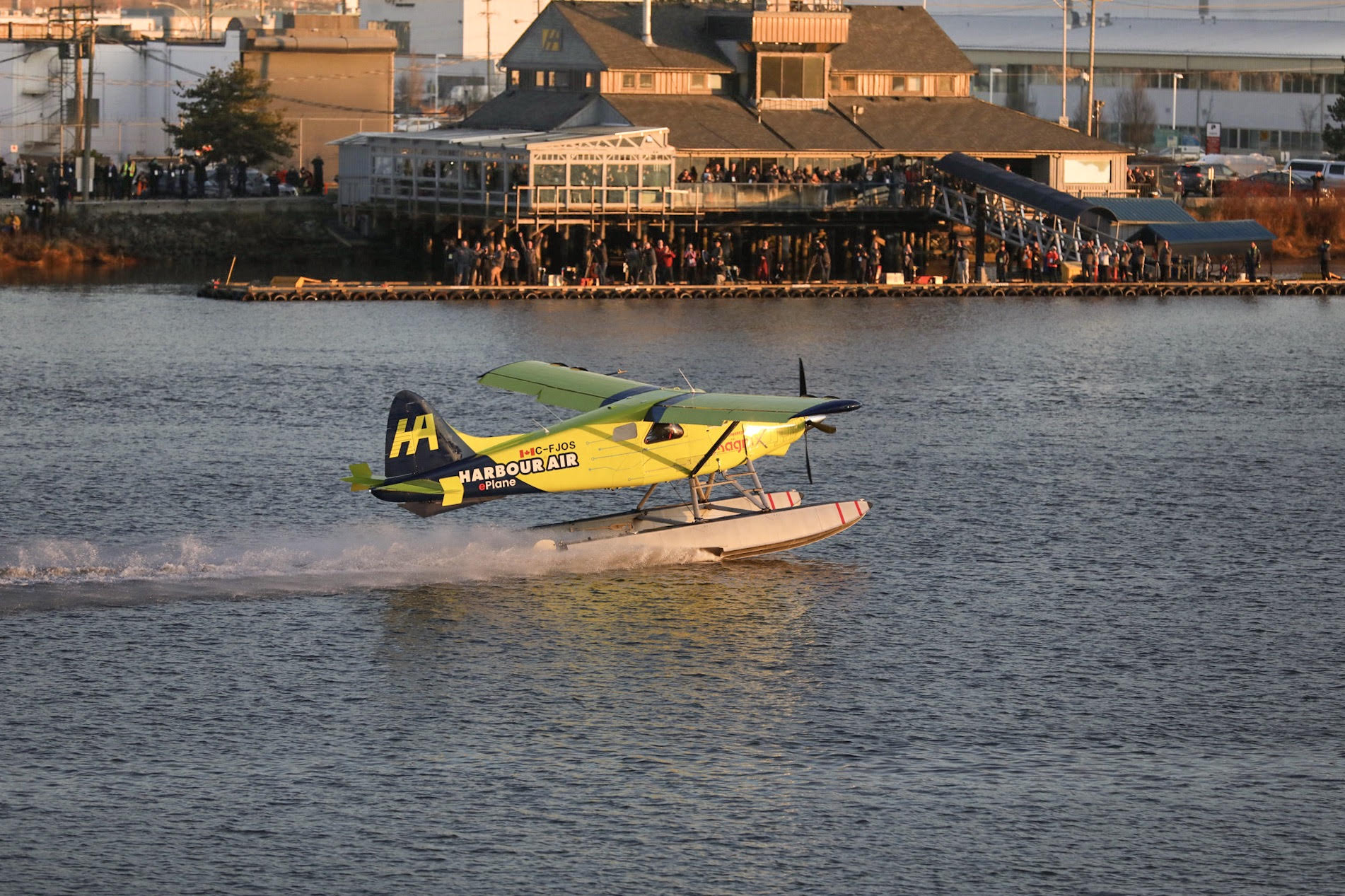
Arthur C. Green/Submitted Photo

The successful flight of the ePlane, a six-passenger DHC-2 de Havilland Beaver magnified by a 750-horsepower
(560 kW) magni500 propulsion system took place on the Fraser River at Harbour Air Seaplanes terminal in
Richmond (YVR South) yesterday morning.

The plane was piloted by Harbour Air CEO and founder Greg McDougall. This historic flight signifies the start of the third era in aviation– the electric age.
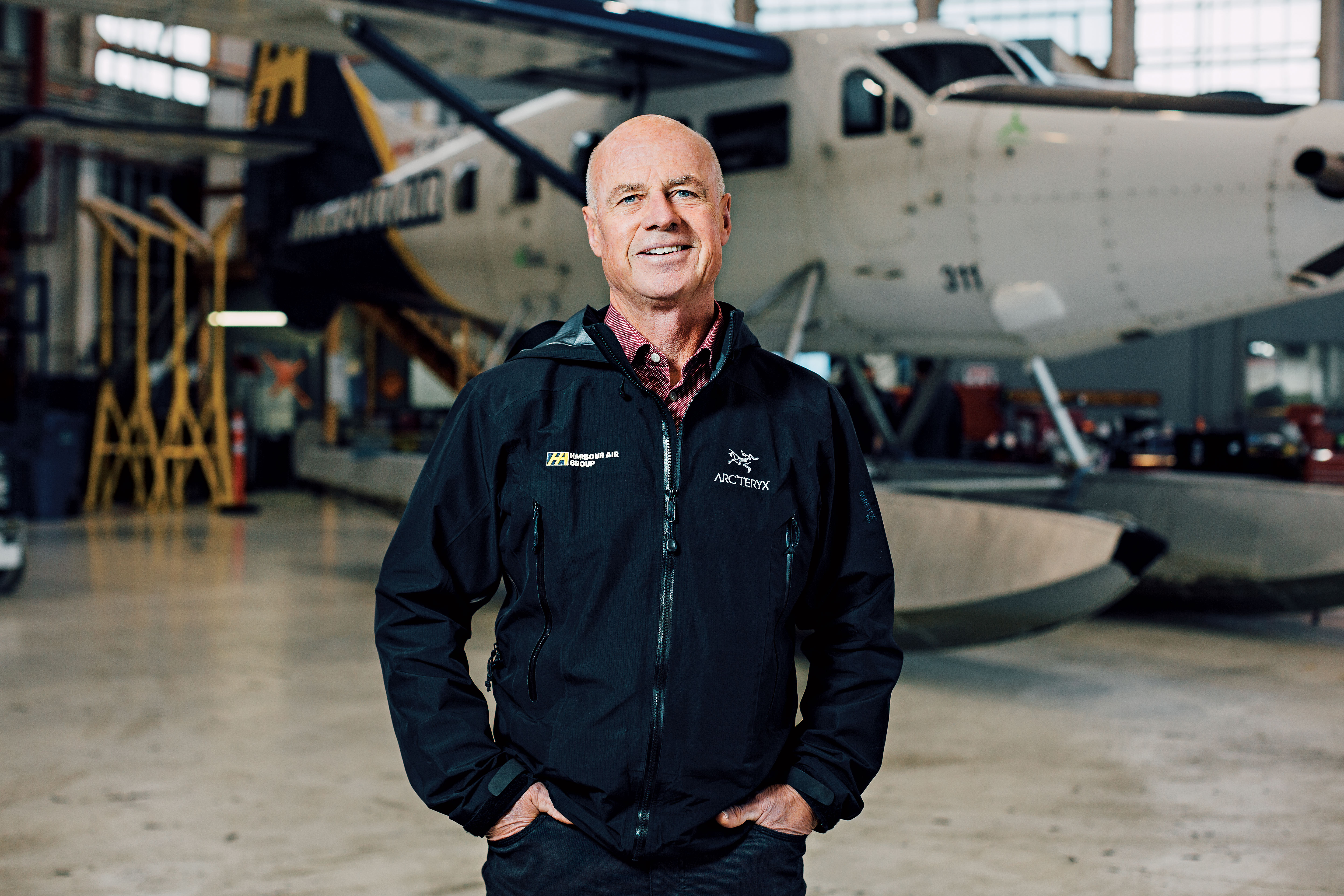
Greg McDougall, CEO and founder of Harbour Air Seaplanes. Arthur C. Green/Submitted Photo

“Today, we made history,” Greg McDougall, CEO and founder of Harbour Air Seaplanes said. “I am incredibly proud of Harbour Air’s leadership role in re-defining safety and innovation in the aviation and seaplane industry. Canada has long held an iconic role in the history of aviation, and to be part of this incredible world-first milestone is something we can all be really proud of.”

Earlier this year, Harbour Air announced its partnership with magniX and the company’s intention to build the world’s first completely electric commercial seaplane fleet. The magni500, which was unveiled at the Paris Air Show in June, 2019, is a high-power-density electric propulsion system that provides a clean and efficient way to power airplanes.

Yesterday that plan took flight and became a reality.

“In December 1903, the Wright Brothers launched a new era of transportation—the aviation age with the first flight of a powered aircraft.  116 years later, with the first flight of an all-electric powered commercial aircraft, we launched the electric era of aviation,”  Roei Ganzarski, CEO of magniX said. “The transportation industry and specifically the aviation segment that has been, for the most part, stagnant since the late 1930s, is ripe for a massive disruption. Now we are proving that low-cost, environmentally friendly, commercial electric air travel can be a reality in the very near future.”
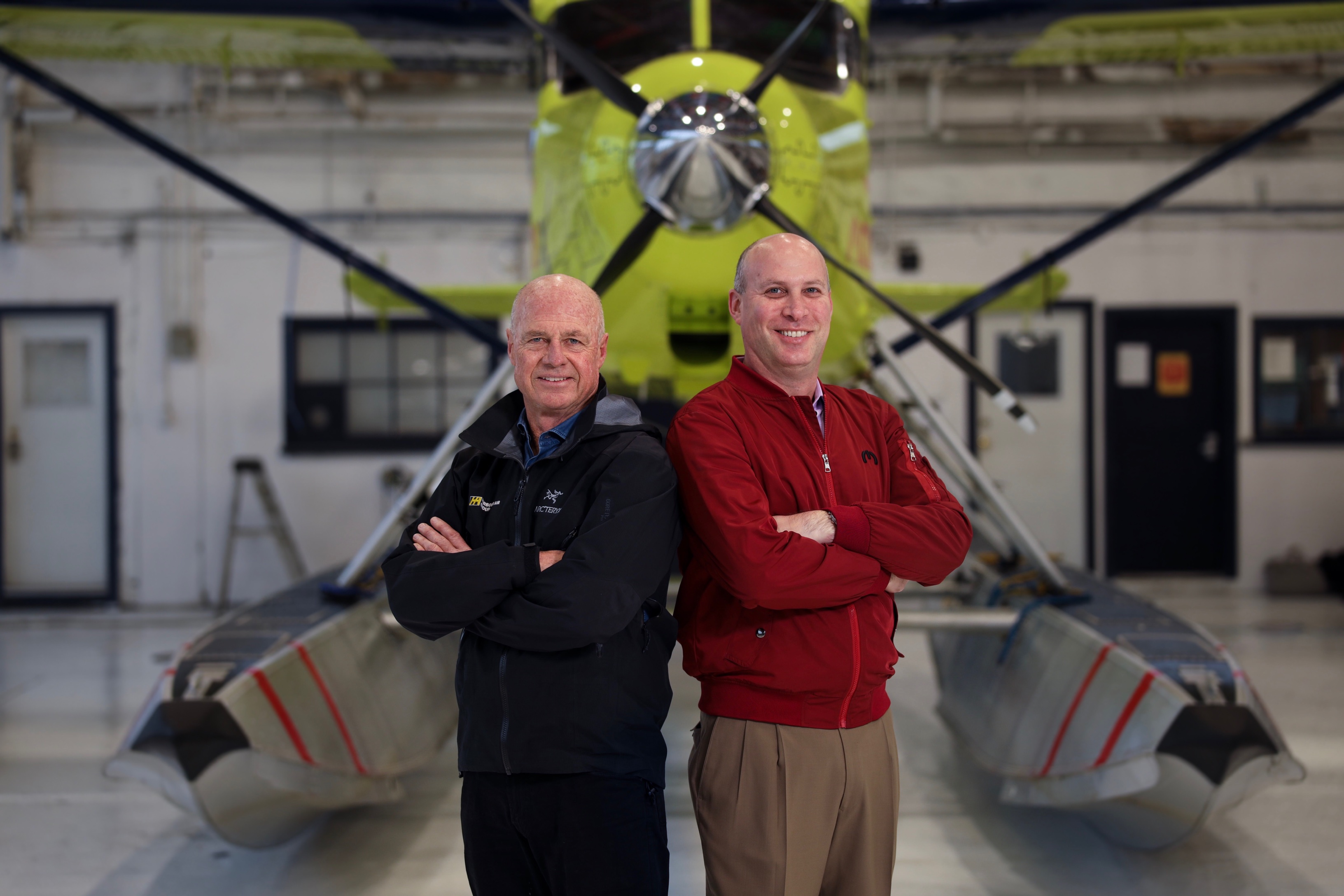
Earlier this year, Harbour Air announced its partnership with magniX and the company’s intention to build the world’s first completely electric commercial seaplane fleet. Arthur C. Green/Submitted Image

MagniX and Harbour Air will now begin the certification and approval process for the propulsion system and the retrofitting of aircraft. Once the certification is complete, the rest of the fleet can be magnified with magniX’s all-electric propulsion technology.

[email protected]

Twitter.com/artcgreen

Arthur C. Green
Arthur C. Green
Arthur C. Green is from Whitbourne Newfoundland and graduated from the CNA Journalism Program. Arthur also studied Business Marketing and Political Science at Memorial University in Essex England and St. John's Newfoundland. Green has worked as a spot news photographer/journalist with such news organizations as CBC, CBC Radio, NTV, Saltwire and Postmedia in Alberta.

Continue Reading

You may also like


cjcd Now playing play

- Advertisement -

Related Articles

- Advertisement -

Latest News

Alternatives North suspects regulatory capture in ITI

Alternatives North believe they have uncovered evidence of the ‘regulatory capture’ of the GNWT Department of Industry Trade and Investment (ITI) by the mining industry, specifically regarding the regulatory policies surrounding the Mineral Resources Act. 

Relentless Indigenous Woman talks languages, “literally” changing world

Dr. Candace Manitopyes, aka The Relentless Indigenous Woman, is working with Elders and Language Keepers in the North and across Turtle Island on relaunching an Indigenous languages program. Dr. Manitopyes says there is an urgency to support Indigenous language learning, especially for Northern First Nations communities, where culturally responsive community rooted resources are even more scarce.

New generation of Indigenous languages speakers celebrated in the NWT

“The language is who we are. Language is our Elders. Language is what makes us who we are,” said Paul Andrew, who emceed a special gathering in Yellowknife that included mentors and apprentice Indigenous language learners, their families, organizers and community leaders. This year’s cohort engaged in learned the languages of Gwich’in, Tłı̨chǫ, Inuvialuktun, Inuinnaqtun, Inuktitut,Dene Kede, Dene Zhatıé, Nêhiyawêwin, Dëne Sųłıné and Wı̀ılı̀ıdeh. 

NWT services to be made accessible in Indigenous languages, says GNWT

The territorial government will soon begin offering all services in each of the 11 official languages including the nine Indigenous languages of Dinjii Zhu Ginjik (Gwich’in), ᐃᓄᒃᑎᑐᑦ (Inuktitut), Inuvialuktun, Inuinnaqtun, Dene Kǝdǝ́/ Sahtúot'ı̨nę Yatı̨ (North Slavey), Dene Zhatıé (South Slavey), Tłı̨chǫ, Dëne Sųłıné (Chipewyan) and Nëhiyawëwin (Cree). Previously, the services had been available in English and French only.

Support and funding for “Language Cafes” to launch this spring

The NWT Literacy Council has started a new funding program to help support Indigenous language revitalization. Kathryn Barry Paddock, Executive Director of the NWT Literacy Council made the announcement that the organization is promoting more funding and the creation of more accessible spaces for Indigenous language through "Language Cafe" events.