




If you never venture into the unknown, you’ll never know what lays hidden in the far north. One man is about to make that discovery of the hidden wilderness as he embarks on an amazing journey.

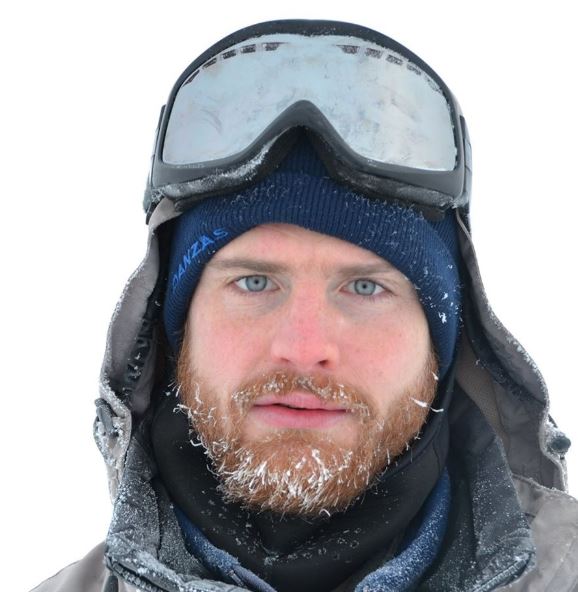
His name is Gael Loicq, a 32-year-old man from Belgium who loves the north. Loicq lived in Rankin Inlet in 2007 for a brief four months and saw a little bit of the Inuit life there.
“At age 18, I was preparing to live a trip and what a trip I had,” Loicq said. “I ventured into the great Canadian north. After exactly 26 hours of travel and four planes later, I found myself in Rankin Inlet.”
Rankin Inlet is a small community in northern Nunavut which has never really left Loicq’s heart.
“Rankin Inlet, it is also 2300 souls on a surface of 120.24 km²,” Loicq said. “It has temperatures which vary between minus 40 ° C in January and plus 15 ° C in August.”
Now in 2019, he has returned to embark on a polar expedition to make like the older Inuit, Loicq says.
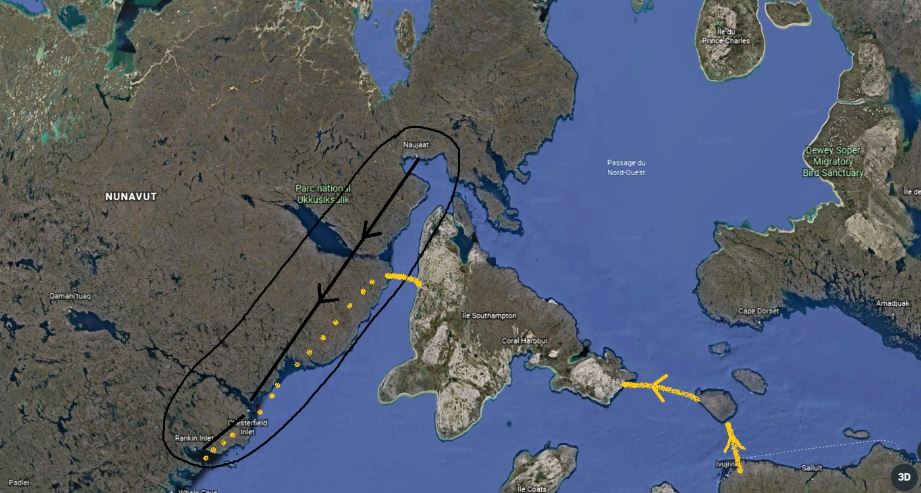
“I’m going to walk 500 kilometres between Repulse Bay and Rankin inlet, with my sled and ski,” Loicq said. “I going to walk alone without any assistance. After the expedition, I’m gonna take time to meet the locals and maybe, take in the hunting and fishing moment together.”
Loicq says Rankin Inlet will be the final destination of the expedition after Chesterfield Inlet and Coral Harbor.
“The environment is deteriorating, climate change is more and more present and its effects are more and more harmful,” Loicq said. “The ice melts visibly and at incredible speed. A year ago, when I was already in my ice charts, the crossing was possible at the end of December.”
Loicq says it is already necessary to wait one month more, or he will create a new record for himself with the coldest bathing of his history.
“It is time for me to see this change with my own eyes and to participate in the awareness of such changes,” Loicq said. “It will be an opportunity to know my mind but also my physical abilities. Without this kind of expedition, no one can know its deepest limits. To know them, you have to challenge yourself constantly.”
The crossing also represents a story, Loicq says which has a spiritual and technological side.
“Technology does not encourage the culture of Inuit traditions,” Loicq said. “Between playing on the Xbox or going hunting, young people quickly choose video games.”
Loicq says his walk is about keeping the Inuit tradition alive.
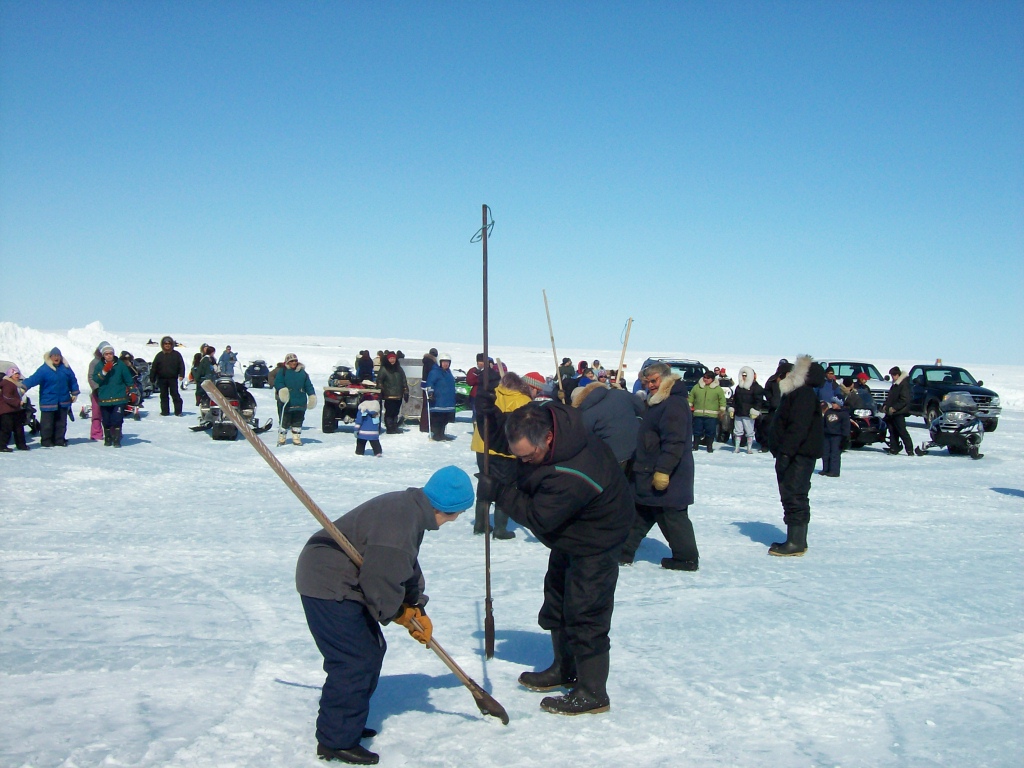
“Activities such as hunting, fishing, square dance, clothing creation (who still knows how to build clothes from hunting?) Or their language (no written dictionary) will disappear within 50 years,” Loicq said. “The crossing is also a way to show the world, that at present and with the means that the average citizen has, it is possible to go even to the most remote places, provided you prepare for it and to really want it.”
Loicq says he was inspired by Mike Horn during the Arktos Expedition.
“This gentleman took more than two years, to travel the polar circle, alone, without motorized help (bike, foot, kayak, boat) with temperatures-from -5 ° to -60 ° in Russia,” Loicq said. “I also wanted to show that, even with a project like this one, we have fun, we plan, and there is not necessarily a need of a party with a tour organizer, which presents only selected elements and who forgets the beauty of the trip during its preparation, as well as time invested. The journey is synonymous with discovery, exchange and meditation.”
Loicq says this journey is an impulse, a spark to the changes that the world must make to be able to live sustainably in the years to come.
Moose News 100.1 FM will stay in contact with Lociq as he trudges across the tundra and will provide updates as they become available.
twitter.com/artcgreen






