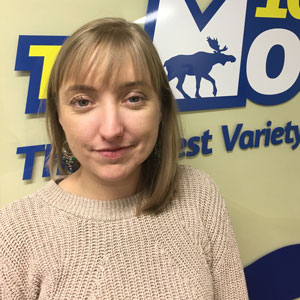
Leaders of the NWT’s Indigenous women’s movement says media has a role to play in changing the attitudes which contribute to the genocide against Indigenous women and girls.
“Just reaching out and going to the community events and socializing with the people. Get to know the people, the culture the language and then you will help,” interim president of the Native Women’s Association of the NWT Jane Weyallon says. “You will hopefully change the attitude of the non-Native people, change their attitude towards the women and the girls or towards the Aboriginal people. It all comes down to attitudes.”
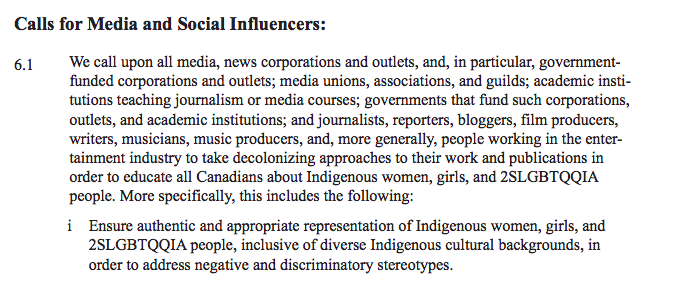
Of the 231 calls for justice issued in the final report of the National Inquiry into Missing and Murdered Indigenous Women and Girls, Call for Justice #6 is directed to media and social influencers. It calls on media to ‘take decolonizing approaches to their work and publications in order to educate all Canadians about Indigenous women, girls and 2SLGBTQQIA* people.”
Weyallon says some local Indigenous organizations are ‘apprehensive’ of talking to the media as they often arrive on their doorstep during a bad news story.
“Do a better job at reporting the good stories. Because there’s a lot of good happening in the communities, it’s just that it doesn’t get reported. Instead when something bad happens, OK, we see you guys. And that’s what we should be avoiding.”
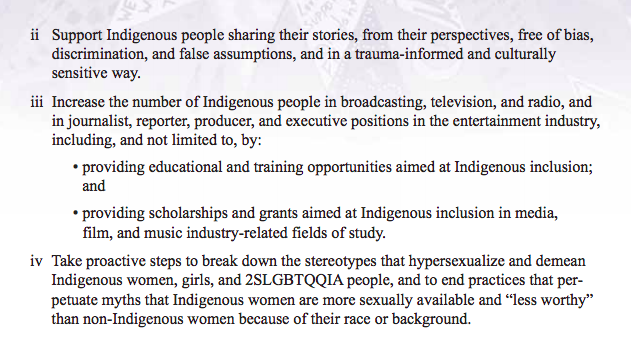
The report calls on media to ‘ensure authentic and appropriate representation’ and to support Indigenous people in sharing their own stories free of any bias and in a trauma-informed and culturally sensitive way. Stereotypes that hypersexualize or myths of Indigenous women being ‘more sexually available and ‘less worthy,” are areas where the report calls on media to proactively break these down.
Family support liaison coordinator Marie Speakman says media can increase their reporting on safety, referencing two recent incidents in Yellowknife where young girls were approached and asked by men to get into their vehicles.
Speakman also wants to see more stories on the survival of Indigenous women, stories of resilience. “There are stories of women and how they’ve overcome, where they are today. It’s positive,” she says. “Our Aboriginal women have gone through many, many ordeals, many hardships, surviving residential school. All this, and yet we’re still here today. And I think it’s being kind to one another, helping one another and being our backbone for each other.”
READ MORE: ‘It’s time for action’: Native Women’s Association responds to MMIWG report
*2SLGBTQQIA is an acronym used by the National Inquiry. It stands for ‘two-spirit, lesbian, gay, bisexual, transgender, queer, questioning, intersex and asexual.’