
Minster of Infrastructure Wally Schumann says the issue of wait times at Yellowknife airport security is out of the territory’s control, as the federal Canadian Air Transport Security Authority controls security screening.
“I am not in charge of CATSA Plus. That’s a federal initiative. That’s their responsibility, but we are working very closely with them to improve the visitors’ and the travelling public’s experience.”
MLA for Yellowknife North Cory Vanthuyne brought the issue of long lines at the Yellowknife airport to the legislative assembly Wednesday.
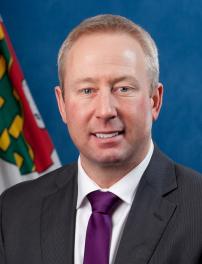
“Stories of missed boardings, and even entire missed trips, have now become legendary on social media,” Vanthuyne says. “When the process is so inept that people are missing flights or flights are being delayed, that’s not an acceptable practice.”
An airport improvement fee was implemented at the airport in 2017, which costs travellers heading south $20 and $10 for flights within the NWT. The revenues from the fee go into a revolving fund for capital and operations and maintenance at the airport.
Vanthuyne is asking why, despite renovations to the security area, there is still only one security line creating a ‘bottleneck’.
READ MORE: INCREASED FEES COMING TO YELLOWKNIFE AIRPORT THIS YEAR
With a new airport security system, CATSA Plus, active at the airport Schumann says the amount of people going through the system has increased by 30 per cent. The remaining issue is sometimes too many flights scheduled at one time, and the training and staffing of the CATSA system.
“The biggest problem we have out there right now with that system is staffing issues. It’s not the system, it’s not the new configuration that we’ve put into place, it’s the CATSA staffing.”
He added the ministry has been working with CATSA to improve the security process, including signs in different languages to help travellers find their way, as well as videos outside the security area to ‘educate passengers’.
‘We’re the victims of our own success,’ Schumann says, with landings up by 15 per cent and passenger traffic is up 4 per cent during the peak tourist season.
“We’re so used to being a small jurisdiction that we can go to the airport and jump on a plane 10 minutes before it goes, but the reality of it is, in the Yellowknife Airport, you have to start looking at going out there 90 minutes or 60 minutes prior to departing.”
MyYellowknifeNow has reached out to CATSA for comment.