




The company that owned the helicopter that crashed on Bear Rock last winter could have paid more attention to a strange vibration a few days earlier. That’s one of the takeaways from a Transportation Safety Board report into the February 15, 2018 crash near Tulita.
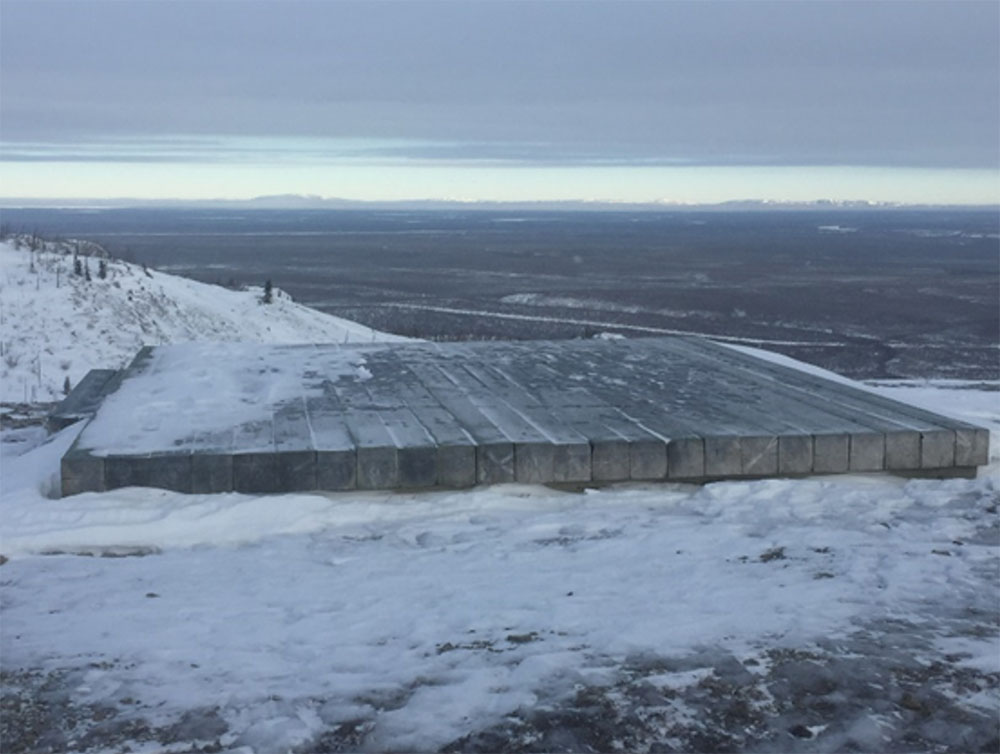
The Sahtu Helicopters Ltd. chopper was taking off when the pilot lost control and hit the ground 50 metres from a helipad by a telecommunications tower. The pilot was seriously hurt but was able to get out of the cockpit and call for help.
The TSB says the aircraft had started bucking, but the pilot took off thinking it was due to ground resonance. Ground resonance is explained as a design issue that leads to a helicopter’s rotor system getting off balance.
It’s reported that four days before the crash, an aircraft maintenance engineer had removed the copter’s main rotor blades overnight. When they were reinstalled the next day, vibrations were noticed during a test run, but weren’t verified using equipment available at the hangar.
“When this type of work is carried out, the Canadian Aviation Regulations and company policies require that an entry be made in the aircraft journey log,” the TSB report notes. “However, no entry was made in the aircraft journey log for either the removal or the installation of the rotor blades. The investigation found that it was the maintenance provider’s routine practice to do this type of work without making entries in the aircraft journey log.”
The TSB says it is important to record maintenance activities and follow procedures, like when removing and installing main rotor blades. It also recommends pilots wear lap and shoulder harnesses and a helmet.
“Wearing the available lap and shoulder harnesses and a helmet is key to preventing injury in rollover accidents in which the potential for head injury is high,” the report says. The pilot in the crash was wearing the harness but not a helmet.
Sahtu Helicopters is a subsidiary of Great Slave Helicopters Ltd., which since the crash has emailed all company pilots and aircraft maintenance engineers to remind them they have to enter blade removal and installation in the aircraft journey log.
An audit cycle has also been added to monitor the removal and installation of blades, and pilots have also been reminded to record any sudden changes in vibration levels in the aircraft journey log. The helicopter was flown for six hours before the crash, while the strange vibration was being felt.






