



Arsenic testing of Yellowknife waters to last through 2020

Yellowknife and the Government of the Northwest Territories are preparing for a long period of arsenic testing.

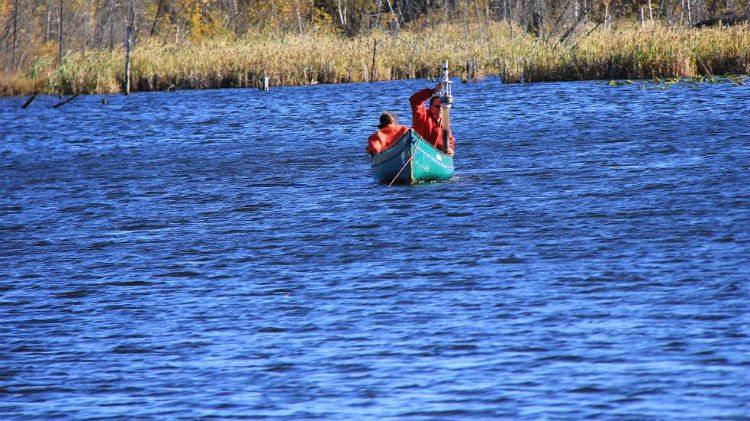
The Department of Environment and Natural Resources will be, in collaboration with Universities, monitoring to see if arsenic is in the water, sediments, soils, and fish in the Yellowknife region.

“We’re hoping that we don’t find anything, we’re just monitoring the arsenic levels in the water to make sure that they’re not as high as people think.”

Environment Minister, Robert C. McLeod, says the testing being done is to reassure the public that the waters are safe.

We’re continuing to work on the water sampling; we’re continuing to work with health and social services on the water samples that we take. We’re hoping that we don’t find anything, we’re just monitoring the arsenic levels in the water to make sure that they’re not as high as people think.

This summer, Queen’s University out of Ontario, will be sampling the soil. That study is expected to finish by 2018.

Carleton University (Ontario) will be inspecting the effect on fish and the general status of the fish in the lakes surrounding Yellowknife. McLeod says that study is expected to finish by 2020.

The Universities that are helping in this cause are in addition to the work by E&R,” says McLeod. “I believe Miramar is also assisting in the sampling as well, so it’s a collective effort.

The research will be posted to the GNWT Environment and Natural Resources website when completed.

For more information, you can click here to read about the arsenic levels in lakes. (April, 2017)



 

Cameron Wilkinson
Cameron Wilkinson
News Reporter

Continue Reading

You may also like


cjcd Now playing play

- Advertisement -

Related Articles

- Advertisement -

Latest News

“We don’t want to live in the shadow of an environmental nuclear accident forever”: Dene Nation water protector

Environmental water activists and Indigenous governments are calling on the federal and provincial governments to uphold promises made over a century ago under Treaty 8. “We have to protect the water not only for First Nations people, but for everyone. We have seen the cumulative environmental impacts of industrial projects in the province of Alta., in the province of Sask., in the province of B.C., that all flow north through the water," says Gerry Cheezie.

Ft Providence police seek public assistance to identify suspect

The Fort Providence RCMP is asking the public for assistance in identifying a suspect after an alleged break and enter in February. Officers have released photo stills from footage of the alleged incident last month.

Minister Rebecca Alty speaks on Northern infrastructure investments

Investments in northern infrastructure and defense announced by Prime Minister Mark Carney last week was the topic of discussion for Northwest Territories MP and Crown-Indigenous Relations Minister Rebecca Alty.

Work advances on NWT all-season road into Grays Bay: YKDFN and Tłı̨chǫ Government

The Yellowknives Dene First Nation and the Tłı̨chǫ Government announced that they are jointly advancing work on the all season road linking Grays Bay to the territory. “YKDFN and TG are jointly advancing an all-season road that would link the Northwest Territories to Nunavut and a proposed deepwater port at Grays Bay, unlocking access to critical minerals and creating long-term economic opportunities in a way that respects Indigenous rights and self-determination."

Some health services in Yellowknife region to see reduced hours Friday

The territorial government says that some health services in the Yellowknife region will operate at reduced hours this Friday. The change in scheduled hours observes the half-day civic holiday on March 20 in recognition of the Yellowknives Dene First Nation’s annual Spring Carnival.

