
The territorial government will fully fund junior kindergarten starting this fall, according to Education Minister Alfred Moses.
RELATED: Fully fund junior kindergarten in the NWT, says school board
RELATED: NWT educators want GNWT to fully fund junior kindergarten
There’s been some confusion in the past week over when exactly funding would become available.
Last Wednesday, Finance Minister Robert C. McLeod said full funding would be provided for its implementation, though not in time for the upcoming school year.
But now, the government says it will foot the entire bill in the fall and beyond.
Monday’s confirmation comes as good news to school boards, who believed they would face budget cuts of up to 3.6 per cent to accommodate a multi-million dollar shortfall.
School boards have until March to create a budget, including staffing decisions.
“Based on enrollments and how many students are going to be in the school system, we are going to be fully funding junior kindergarten this fall,” Moses told MLAs Monday.
‘As slippery as a dead fish’
“Nailing down this junior kindergarten funding issue is almost as slippery as a dead fish,” Frame Lake MLA Kevin O’Rielly joked following Monday’s announcement.
But concerns over inclusive schooling and additional busing costs also arose.
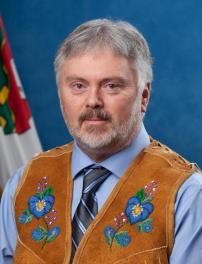
As it stands, junior kindergarten students are not counted when deciding funding for inclusive schooling, despite school boards saying it’s needed for those students.
Yellowknife school boards are also expecting an additional busing expense of $150,000 each – $300,000 in total.
Buses with junior kindergarten-aged children will require smaller seats and mandatory seat belts, along with an adult supervisor for each bus.
Either school boards will have to revamp their current buses, or purchase additional ones to meet safety requirements.
The funding from the GNWT will cover adapting classrooms for smaller children, but it doesn’t extend to transportation.
“How can the minister say that junior kindergarten is going to be fully funded by GNWT when there’s still these two outstanding issues on whether there’s going to be inclusive schooling funding for junior kindergarten students, and the busing issue has not been resolved?” asked O’Rielly.
Moses said that funding decision would be made with school boards, and that the GNWT was currently meeting with superintendents to determine a course of action.