
100.1 GO FM - We're Your Feel Good Pop Station

Flu season ‘off to a slow start’ in the NWT, says top doctor

Flu season is off to a slow start in the Northwest Territories, but the number of cases reported could jump considerably in the next couple weeks.

That’s according to Dr. André Corriveau, the territory’s chief public health officer.

RELATED: Flu shot clinics open across the NWT as influenza season begins

He told Moose FM there have only been nine confirmed cases of the flu throughout the territory this season – roughly a third of what was reported last year.
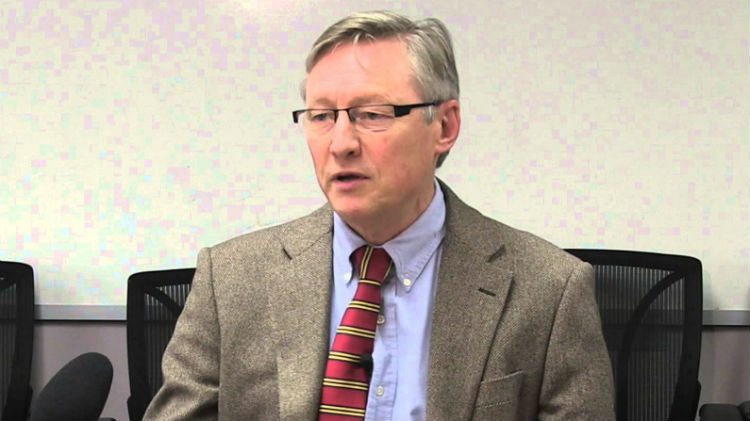
Dr. André Corriveau, the territory's chief public health officer.
Dr. André Corriveau, the territory’s chief public health officer.

But Corriveau expects the real number to be much higher because most people won’t report their illness.

He says flu season came much earlier last year, with cases popping up closer to Christmas time. He expects more cases to be reported now that people are back from holiday and students have gone back to school.

“The flu season seems to be off to a slow start in our case,” said Corriveau. “Typically, the peak is sometime in January but it can be early or late.”

“I think it’s probably time right now for the spread to start happening more. We had one person hospitalized this week and we expect that we’re going to get hit harder in the next week or two.”

Parts of Alberta and Yukon have been hit particularly hard this month, with higher-than-average hospitalization rates being reported in some areas.

“It certainly looks like there’s a lot of influenza activity in other parts of western Canada,” said Corriveau.

The territory’s top doctor says immunization remains the best form of protection against the flu, and that people should avoid contact with others if they start showing signs of influenza.


Mike Gibbins
Mike Gibbins
Hello and thank you for listening to 100.1 Moose FM! To contact me, you can email me, find me on Twitter or call (867) 920-4663.

Continue Reading

You may also like


cjcd Now playing play

- Advertisement -

Related Articles

- Advertisement -

Latest News

GNWT responds to 2022 After Action Review of “unprecedented” flooding

Nearly 30 recommendations were accepted by GNWT in their response to the After-Action Review of the devastating floods of 2022 in Hay River and Kátł’odeeche First Nation, except for one - the recommendation of a standalone territorial Emergency Management Agency. Minister Vince McKay emphasized that the current emergency management structure within the ministry of Municipal and Community Affairs can do the job of an emergency stand alone agency.

Another flu season advisory has been issued by GNWT

The N.W.T. Heath and Social Services Authority issued an advisory reminding folks experiencing flu-like symptoms to avoid going out unless in need of medical attention. The public advisory comes just over one week after an advisory was issued by the Chief Public Health Officer, Dr. Kami Kandola.

Police investigating the death of a 73-year old man who went missing

Police in Behchokǫ̀ are investigating the tragic death of a 73-year-old Indigenous man who went missing on Sunday. Officers reported that the man was last seen leaving a senior’s complex in the community. "The 73-year-old man from Behchokǫ̀, who was reported missing to Behchokǫ̀ RCMP on December 14th, has sadly been located deceased," said police.

Suspect in custody after alleged police altercation during investigation

A suspect remains in custody after an investigation of two alleged assaults in Dettah, which according to reports, led to the “ramming” of police vehicles and an alleged altercation with officers. Officials reported that they believe the suspect was trying to “evade” police.

Water levels “very low” across much of territory

Scientists with the GNWT’s Environment and Climate Change centre reported that data collected last month showed water levels and flow rates for lakes and rivers showed that water levels were “very low” across most of the NWT. Climate change scientists also found that November temperatures were much warmer than average, but anticipate temperatures will be cooler than average across much of the NWT over the winter, except for the Beaufort Delta region.