
The federal government is providing $3.75 million in funding over the next five years to help victims of crime gain better access to services in the Northwest Territories.
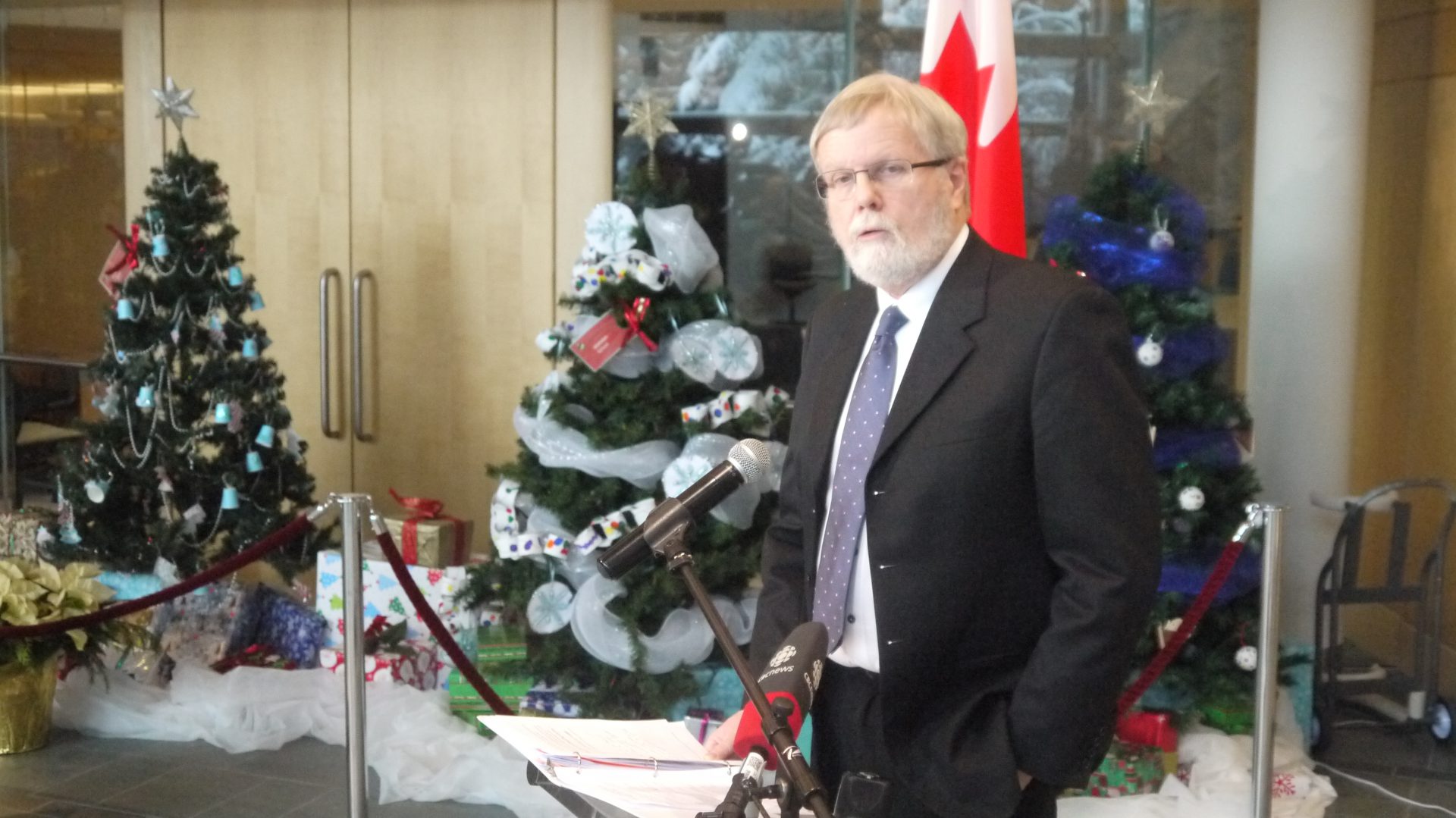
The announcement was made by Sean Casey, parliamentary secretary to the federal minister of justice, on Monday.
“The Government of Canada is responding to the needs of victims and survivors of crime in the Northwest Territories,” he said.
“We recognize that victims and survivors of crime in the Northwest Territories, as well as their families, have particular challenges when it comes to services and access to justice.
“We know all too well the effects that crime can have on the lives of victims and survivors.”
Once broken down, that equates to $750,000 in annual federal funding for victims services.
The new funding is being made available through the federal government’s Victims Fund, which is contributing over $21 million to Canada’s provinces and territories this year.
It also represents an increase of $250,000 annually from the territory’s previous agreement with Ottawa, and is on top of the $700,000 the GNWT spends on victims services every year.
Casey’s announcement was welcomed by the territory’s justice minister.
“We know that the work done by victims services helps individuals heal,” said Louis Sebert. “It is essential work for both individual and community well-being.
“We are thankful this is being recognized and is supported by our federal partners.”
According to data from Statistics Canada, 3,348 violent crimes were committed in the Northwest Territories in 2015.
Sebert says the new funding will create certainty for programs already in place and help current victims services workers reach more people in smaller communities.
The following is a list of programs that will benefit directly from Monday’s announcement:
- Outreach Victim Services Program: $288,750 per year to enhance existing victim services programs that serve remote communities.
- Canadian Victims Bill of Rights: $250,000 per year to undertake activities that support implementation of the Canadian Victims Bill of Rights including helping victims prepare impact statements, provide testimony and apply for restitution.
- Victims of Crime Emergency Fund: $77,000 per year for the management of the Victims of Crime Emergency Fund, which provides emergency funding to victims to cover costs resulting from serious violent crimes.
- Victims Services staff: $75,000 per year towards a half-time manager, crime prevention, policing and victim services, and a full-time victim services coordinator dedicated to implementing federal victim initiatives and advancing victim initiatives in the territory.
- Training and Publications: $59,250 per year to build the capacity and leadership of victim services providers through various training initiatives and to update all public education documents about victim services to reflect new best practices and legislative changes.