
The MLA for Frame Lake still wants to know why 911 hasn’t been rolled out across the Northwest Territories.
On Tuesday, Kevin O’Reilly asked cabinet if it was still committed to implementing the service or at the very least, changing an automated message that doesn’t tell residents which number to call in the event of an emergency.
RELATED: Supreme Court of Canada dismisses Bell’s 911 challenge
Currently, when people in the territory call 911 – a service that doesn’t exist – they’ll hear a message telling them where to direct their call instead of a message providing them with emergency numbers.
O’Reilly first brought up the issue during a June session.
At the time, the minister of Municipal and Community Affairs committed to rolling out a phased-in approach of the service and finding out if Northwestel could change the automated message.
Four months later, O’Reilly says the government is delaying real progress by having not done either.
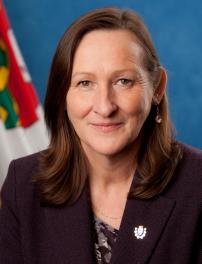
“What we have here is how the $150 million reduction target has hamstrung cabinet in introducing the most basic new service designed to protect lives and public safety that now exists in every other part of this country except Nunavut,” he said.
Municipal and Community Affairs Minister Caroline Cochrane responded to O’Reilly’s concerns Tuesday, saying her department has met with both Northwestel and the federal government to discuss the issue.
“We have met with the federal government, a couple of times actually,” she told MLAs. “We’ve been asking them to consider our request for 911 under public safety and under future investments in infrastructure funding.
“We have really put forward the case that 911 is an issue within the territories.”
However, don’t expect the automated message you hear when you dial 911 to change anytime soon.
“Northwestel is not willing at this time to change it,” added Cochrane. “They say it’s due to technical and liability concerns.
“They’ve also talked that it would require a technical upgrade and they’re concerned that it may jeopardize the current message should a new approach prove not successful.”
That being said however, Cochrane says her department is working with cell providers about improving the message on cellular devices.