


Yellowknife in winter: the best place for a walk?

Why would anyone pick walking as their winter hobby in the bitter cold of Yellowknife?

“Oh, wow,” says Rosie Strong, a tour operator based in the city. “There are just so many places to go.

“There are designated trails around Yellowknife, all sorts of interesting places in Old Town, lots of places to walk. Get out of your cars. Go walk!”

Strong will be one of eight people delivering a series of punchy pictorial presentations on Thursday night in Yellowknife.

From 7pm, the auditorium at the Prince of Wales Northern Heritage Centre will host Why We Walk, a “PechaKucha” – which sees presenters deliver 20 slides lasting 20 seconds each.

Event details: Why We Walk, 7pm, Thursday January 14

The show is organized by Jess Dunkin from the NWT Recreation and Parks Association, which holds an annual Walk To Tuk challenge to encourage the art of the winter walk. Participants team up to walk the equivalent of the distance from Fort Providence to Tuktoyaktuk on the Arctic coast.

Dunkin, a historian by training, will speak on a pet topic of hers: competitive walking.

“Competitive walking in the 19th Century was called pedestrianism,” Dunkin explains.

“In the early part of the century, people tended to do outdoor walks for long distances – a thousand miles as one example.

“By the middle to later part of the century, walking moved indoors on measured tracks and in that case you’d be walking for days at a time. The most common was a six-day race from Monday to Saturday, and you walked as far as you could in that period of time.”
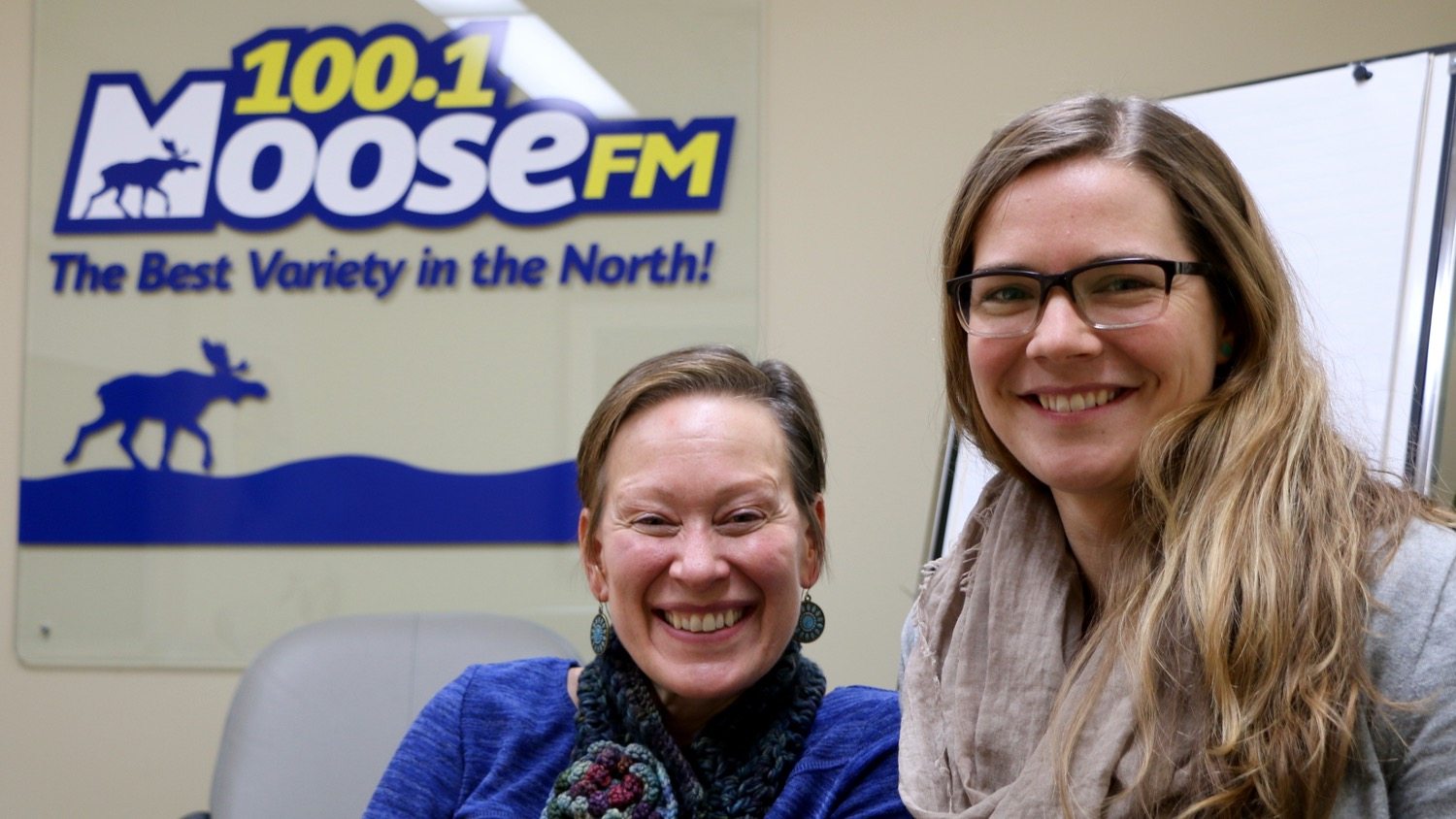
Rosie Strong, left, with Jess Dunkin
Rosie Strong, left, with Jess Dunkin.

Sounds like an ideal fit for Yellowknife, no?

“We could rent out the fieldhouse and start a six-day walking challenge,” jokes Dunkin. “If anyone’s interested, give me a call.”

Other presentations will look at topics like the spiritual aspect of walking and the mechanics behind it.

“Winter is the perfect time to walk,” adds Dunkin.

“When the lakes freeze over we suddenly have innumerable places we can go and walk. Winter is maybe the perfect time to have this conversation.”


Ollie Williams
Ollie Williams
Hello! I'm the one with the British accent. Thanks for supporting CJCD. To contact me, you can email me, find me on Twitter or call (867) 920-4663.

Continue Reading

You may also like


cjcd Now playing play

- Advertisement -

Related Articles

- Advertisement -

Latest News

GNWT launches Be Ready! Campaign

The Government of the Northwest Territories is launching this year’s Be Ready! Campaign to help Northerners prepare for emergencies like floods, wildfires, and power outages. The overarching theme this year is Individual and Household Emergency Preparedness.

YK Choral Society holding spring concert this weekend

The YK Choral Society is holding their spring concert this weekend. ‘Change Makers’ will be performed this Saturday, April 11 at 2pm and 7:30pm at the Northern Arts and Cultural Center.

GNWT says Sambaa K’e Access Road on closure notice

GNWT’s Department of Infrastructure says Sambaa K'e Access Road has been placed on closure notice. On Tuesday afternoon, the department issued a 24 Hour Notice of Closure Caution at Sambaa K'e Access Road from 803 m southwest of km 4 to 817 m southwest of km 112. Officials said that the road "may close sooner with little to no notice."

Feds commit $20 million for new water treatment plant in Hay River

Northwest Territories MP and Crown-Indigenous Relations Minister Rebecca Alty has just announced an investment of about $20,100,000 from the federal government for construction of a new water treatment plant in Hay River. The new plant would provide clean drinking water to Hay River as well as Enterprise, KĂ¡tł’odeeche First Nation and Ka’a’gee Tu First Nation. The announcement was made Tuesday at Hay River Council Chambers.

“Abrimot are everywhere” in Yellowknife’s Mots dans la taĂ¯ga: In pictures

Festival de poĂ©sie arctique Mots dans la taĂ¯ga at École Allain St-Cyr returned to Yellowknife this week. The "Boreal magic"  of the poetic trail is a space of living language and transformation. More than one hundred students created the hundreds of abrimots that are on the ground, in the trees and tucked into hideaway corners of the snowbanks along the trail. Students from Yukon also contributed along with community members from across the North.



